Founded in 2014, Cleanplanpaths emerged from a simple observation: Singapore's tropical climate demands smarter cooling solutions. Our team of 12 certified ventilation specialists and building science consultants has spent nearly a decade researching passive cooling techniques adapted specifically for equatorial environments.
What started as a research project at the National University of Singapore quickly transformed into a practical consultancy. Our founder, a mechanical engineer with 15 years in HVAC systems, noticed that traditional air conditioning accounts for approximately 40% of household electricity consumption in Singapore.
The question was straightforward: could we reduce this dependency through intelligent design? We began analyzing wind patterns across different HDB estates and landed properties in districts like Bukit Timah, Marine Parade, and Tampines. The data revealed significant potential for cross-ventilation strategies that most buildings were simply not utilizing.
Since then, we have completed 287 residential and 43 commercial projects across Singapore, implementing ventilation systems that reduce cooling costs by an average of 35-60%. Each project taught us something new about airflow dynamics, material selection, and the relationship between building orientation and thermal comfort.

We hold certifications from the Building and Construction Authority and maintain partnerships with the Singapore Green Building Council. Our team includes specialists in computational fluid dynamics, building physics, and sustainable architecture.
Every ventilation system we design undergoes computer simulation testing before installation. We model airflow patterns, pressure differentials, and temperature gradients to ensure effectiveness. This approach eliminates guesswork and provides clients with quantifiable performance predictions.
Beyond residential work, we consult for commercial developments, particularly in warehouse and industrial sectors where mechanical cooling costs can exceed S$15,000 monthly. Our solutions have helped businesses reduce energy expenditure while maintaining comfortable working conditions for staff.
Every recommendation stems from measured data and computational analysis. We test assumptions, document results, and refine methods based on actual performance metrics from completed installations.
Singapore's consistent 27-32°C temperatures and 80-90% humidity require specialized approaches. We design systems that work with these conditions rather than fighting against them through energy-intensive methods.
Our focus extends beyond installation day. We provide 5-year performance monitoring for all projects, tracking energy savings and thermal comfort levels to ensure systems continue delivering promised benefits.
We aim to make passive cooling accessible and practical for Singapore properties. Through careful analysis of building characteristics, local wind patterns, and occupant needs, we create ventilation systems that provide genuine alternatives to constant air conditioning. Our goal is reducing energy consumption while maintaining the comfort standards that residents and businesses require in this climate.
We have designed and implemented passive cooling systems across Singapore, helping homeowners reduce energy costs while maintaining comfortable indoor temperatures through strategic airflow design.
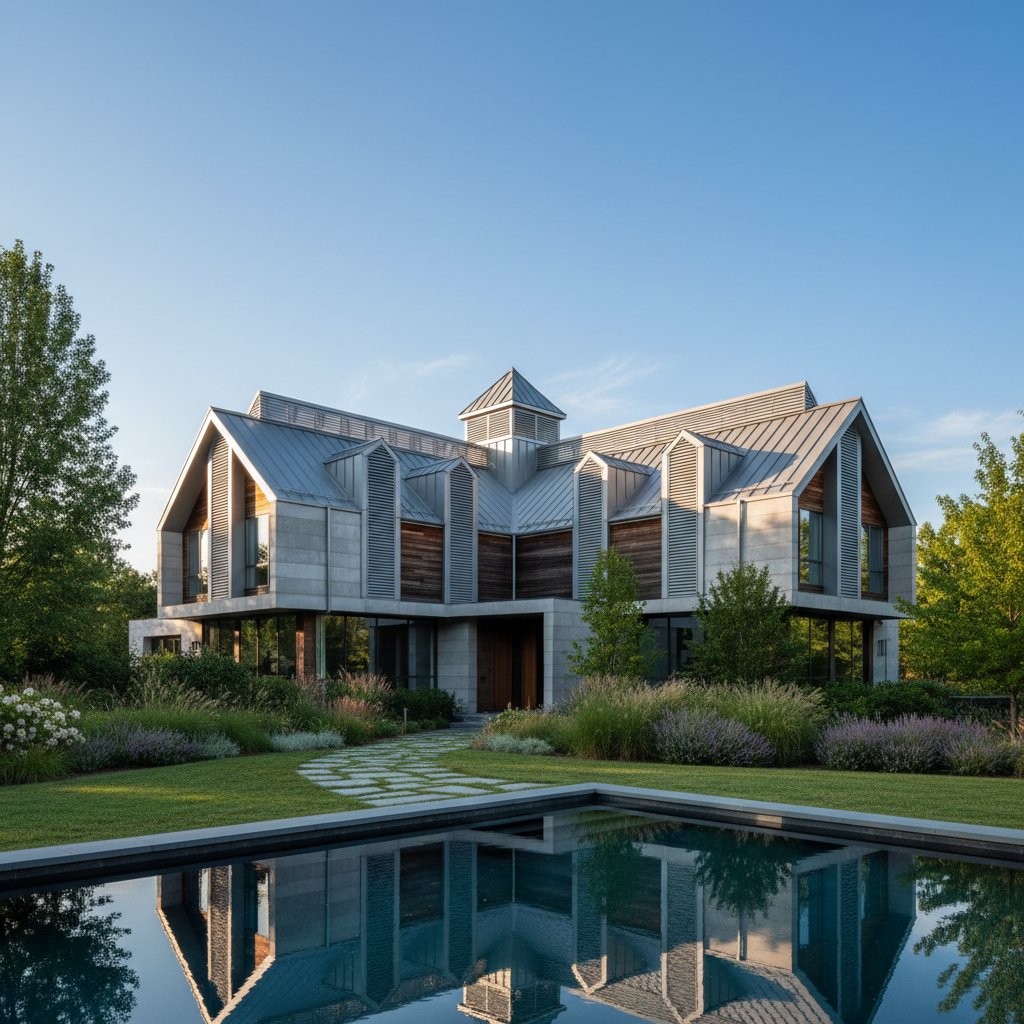
A three-story terrace house received a complete ventilation redesign featuring cross-ventilation corridors and strategically positioned windows. The system uses stack effect principles to draw cool air from the ground level while expelling warm air through roof vents, reducing indoor temperatures by 4-6°C during peak hours.
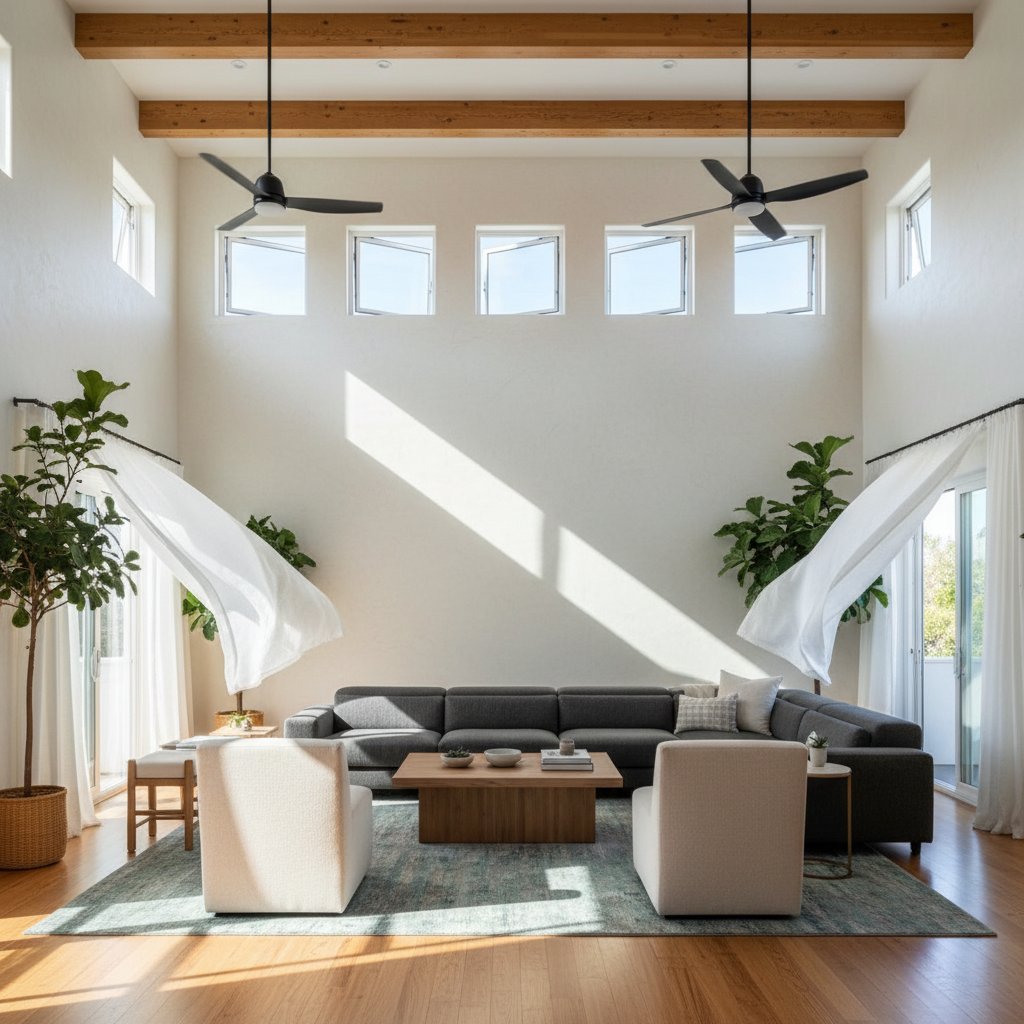
This 280 square meter office space now operates with 70% less air conditioning through a combination of operable clerestory windows, thermal mass cooling, and wind catchers. The design incorporates automated louvers that respond to temperature sensors, maintaining comfort for 45 employees while cutting electricity bills by S$1,800 monthly.
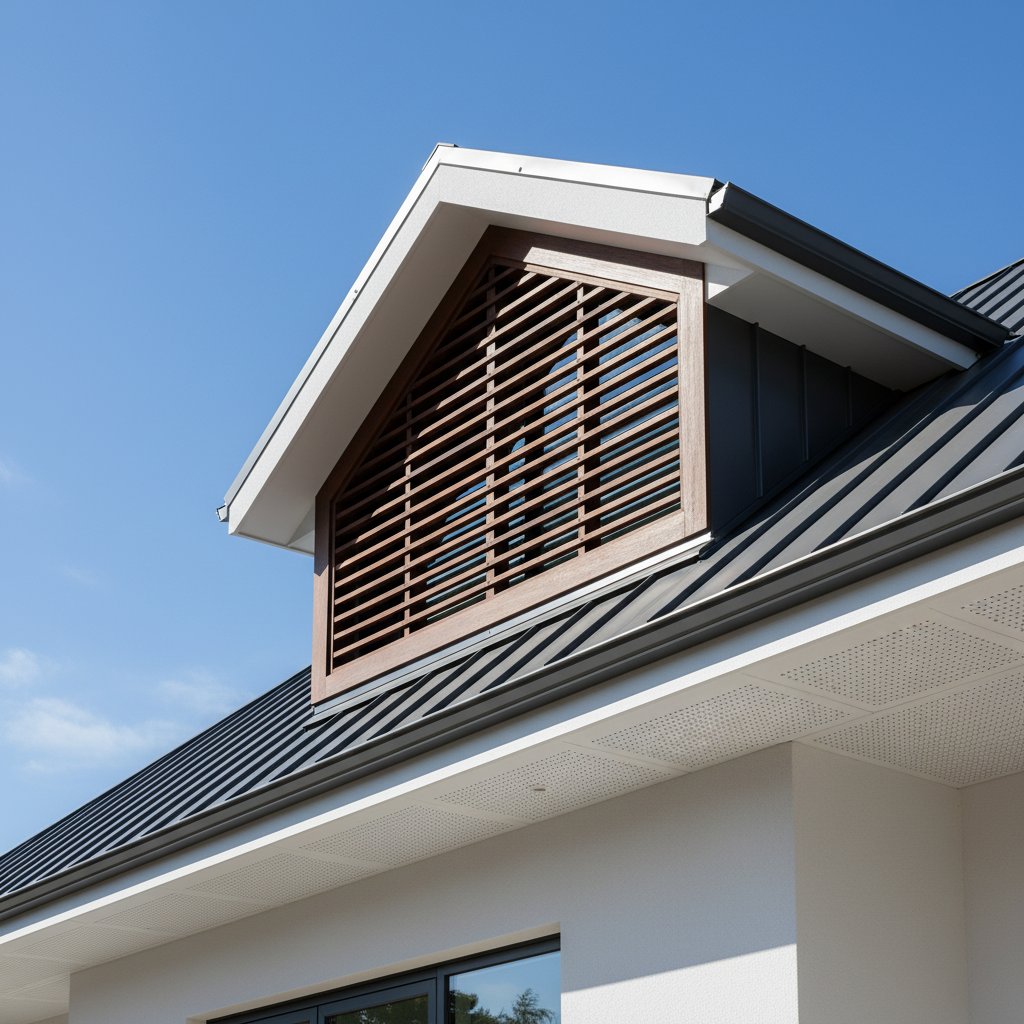
Located 800 meters from the coastline, this property takes advantage of sea breezes through carefully angled window placements and a central atrium. The ventilation system includes motorized skylights that open automatically based on indoor temperature readings, creating a continuous airflow path that keeps the home naturally cool throughout the day.
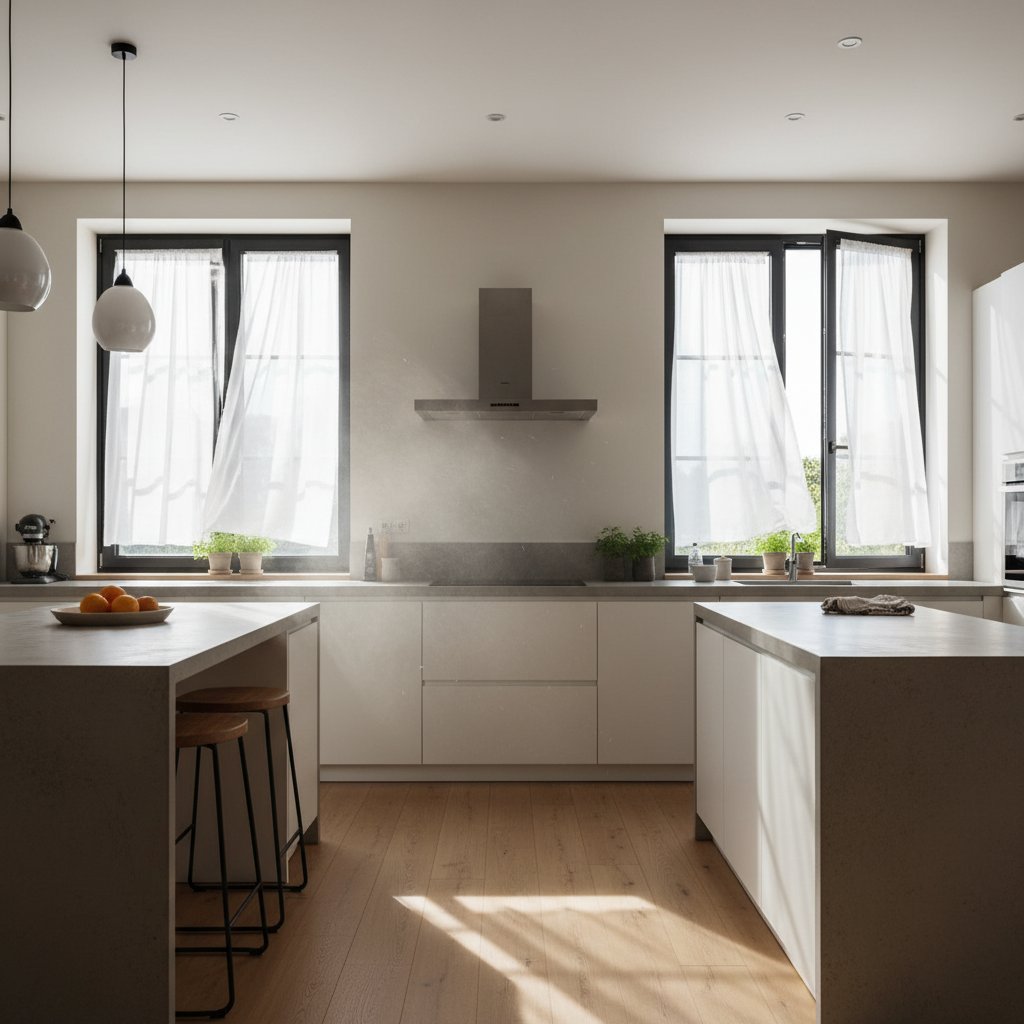
A heritage shophouse transformed into a modern workspace while preserving its architectural character. We installed vertical ventilation shafts, restored original air wells, and added adjustable louvered panels. The narrow building now benefits from enhanced cross-ventilation, with air movement measured at 0.8-1.2 meters per second during typical weather conditions.

This single-story bungalow features a comprehensive passive cooling approach with solar chimneys, shaded verandas, and high-performance insulation. The owners report comfortable living conditions without air conditioning for 8-9 months annually. Strategic landscaping with mature trees provides additional cooling through evapotranspiration and wind channeling.
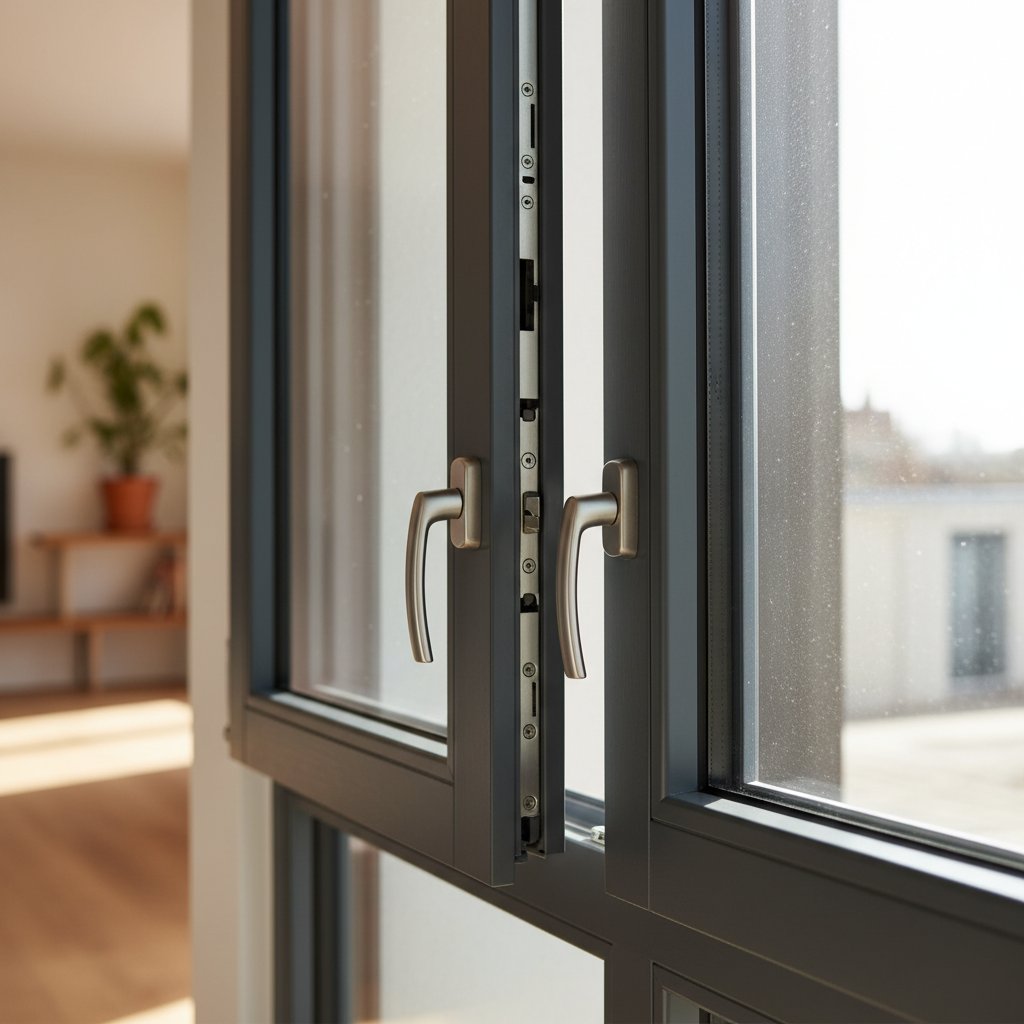
A 450 square meter workshop now maintains acceptable working temperatures through roof-mounted wind turbines, high-level exhaust vents, and reflective roofing materials. The system handles heat from machinery and equipment while providing fresh air circulation for 12 workers. Temperature reduction of 5-7°C compared to pre-renovation conditions has improved productivity and reduced heat-related complaints.
A three-story terrace house received a complete ventilation redesign featuring cross-ventilation corridors and strategically positioned windows. The system uses stack effect principles to draw cool air from the ground level while expelling warm air through roof vents, reducing indoor temperatures by 4-6°C during peak hours.
The project involved computational fluid dynamics modeling to determine optimal window sizes and placements. We installed operable windows on opposite walls at each level, creating pressure differentials that drive continuous air movement. Roof vents with rain protection allow hot air to escape naturally, while ground-level openings are positioned to capture prevailing winds.
This 280 square meter office space now operates with 70% less air conditioning through a combination of operable clerestory windows, thermal mass cooling, and wind catchers. The design incorporates automated louvers that respond to temperature sensors, maintaining comfort for 45 employees while cutting electricity bills by S$1,800 monthly.
The ventilation strategy includes night cooling protocols where windows open automatically after business hours to flush out accumulated heat. Exposed concrete ceilings absorb coolness during nighttime, releasing it gradually during the day. Wind catchers on the roof capture and direct breezes into the workspace through ducting integrated with the existing structure.
Located 800 meters from the coastline, this property takes advantage of sea breezes through carefully angled window placements and a central atrium. The ventilation system includes motorized skylights that open automatically based on indoor temperature readings, creating a continuous airflow path that keeps the home naturally cool throughout the day.
The central atrium functions as a thermal chimney, drawing air vertically through the house. We installed sensors that monitor temperature, humidity, and wind speed, controlling skylight operation to maximize cooling efficiency. The system adapts to changing weather conditions, closing openings during rain while maintaining ventilation through protected vents.
A heritage shophouse transformed into a modern workspace while preserving its architectural character. We installed vertical ventilation shafts, restored original air wells, and added adjustable louvered panels. The narrow building now benefits from enhanced cross-ventilation, with air movement measured at 0.8-1.2 meters per second during typical weather conditions.
Working within conservation guidelines, we maximized the existing air well and added new vertical shafts that connect all three floors. Louvered panels allow occupants to control airflow direction and intensity. The ground floor features larger openings that capture street-level breezes, while upper floors benefit from stack effect ventilation through the restored air well.
This single-story bungalow features a comprehensive passive cooling approach with solar chimneys, shaded verandas, and high-performance insulation. The owners report comfortable living conditions without air conditioning for 8-9 months annually. Strategic landscaping with mature trees provides additional cooling through evapotranspiration and wind channeling.
The design includes three solar chimneys positioned at key locations to maximize heat extraction. Deep roof overhangs and verandas reduce direct solar gain on walls and windows. We specified insulation with R-values of 3.5 for walls and 6.0 for the roof, significantly reducing heat transfer. Landscape design directs prevailing winds through the property while providing shade.
A 450 square meter workshop now maintains acceptable working temperatures through roof-mounted wind turbines, high-level exhaust vents, and reflective roofing materials. The system handles heat from machinery and equipment while providing fresh air circulation for 12 workers. Temperature reduction of 5-7°C compared to pre-renovation conditions has improved productivity and reduced heat-related complaints.
Wind turbines create negative pressure that continuously extracts hot air from the ceiling level where it accumulates. High-level vents supplement this extraction, while low-level openings allow fresh air intake. The reflective roof coating reduces solar heat gain by 40%, keeping the metal structure cooler. Industrial fans provide spot cooling at workstations during peak heat periods.
Passive cooling through strategic airflow design offers measurable benefits for tropical climates. These systems reduce operational costs while maintaining comfortable indoor temperatures throughout the year.
Natural ventilation requires no electricity to operate. Cross-flow and stack ventilation systems use wind pressure and thermal buoyancy, eliminating monthly energy bills associated with mechanical cooling equipment.
Designed specifically for equatorial conditions with consistent temperatures between 25°C and 31°C. Strategic window placement and ventilation towers capture prevailing northeast and southwest monsoon winds effectively.
Passive systems contain no moving parts, compressors, or refrigerants requiring servicing. Annual maintenance involves cleaning vents and checking dampers, compared to quarterly servicing needed for air conditioning units.
Continuous fresh air exchange prevents accumulation of carbon dioxide, volatile organic compounds, and indoor pollutants. Studies show natural ventilation reduces airborne pathogen concentration by 60% compared to sealed spaces.
Unlike mechanical systems producing 45-60 decibels, natural ventilation operates without noise pollution. Wind-driven airflow creates ambient sound levels below 30 decibels, comparable to a quiet library environment.
Natural ventilation contributes points toward Building and Construction Authority certification. Projects incorporating passive cooling strategies qualify for GoldPlus or Platinum ratings, increasing property value by 8-12%.
Typical residential installations range from $8,000 to $15,000, representing 40-60% savings compared to central air conditioning systems. Commercial projects see payback periods of 3-5 years through eliminated electrical infrastructure.
Compatible with both new construction and renovation projects. Systems adapt to various architectural styles including HDB flats, landed properties, and commercial buildings without compromising structural integrity or aesthetics.
Eliminates 1,200-2,400 kg of CO2 emissions annually per household by removing air conditioning load. Singapore households using passive cooling reduce national grid demand during peak hours by 25-35%.
Properly designed systems maintain indoor temperatures 2-4°C below outdoor ambient through evaporative cooling and air movement. Ceiling fans integrated with ventilation create perceived temperature drops of 3-5°C at wind speeds of 0.5-1.5 m/s.
Homes with certified passive cooling systems command 5-8% premium in resale markets. Buyers prioritize energy-efficient features, with 73% of Singapore property seekers considering ventilation design when evaluating purchases.
Our track record demonstrates consistent delivery of effective cooling solutions across Singapore, helping property owners reduce energy costs while maintaining comfortable indoor environments.