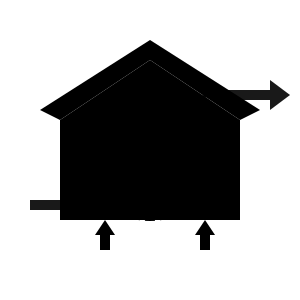
We have designed and implemented passive cooling systems across Singapore, helping homeowners reduce energy costs while maintaining comfortable indoor temperatures through strategic airflow design.
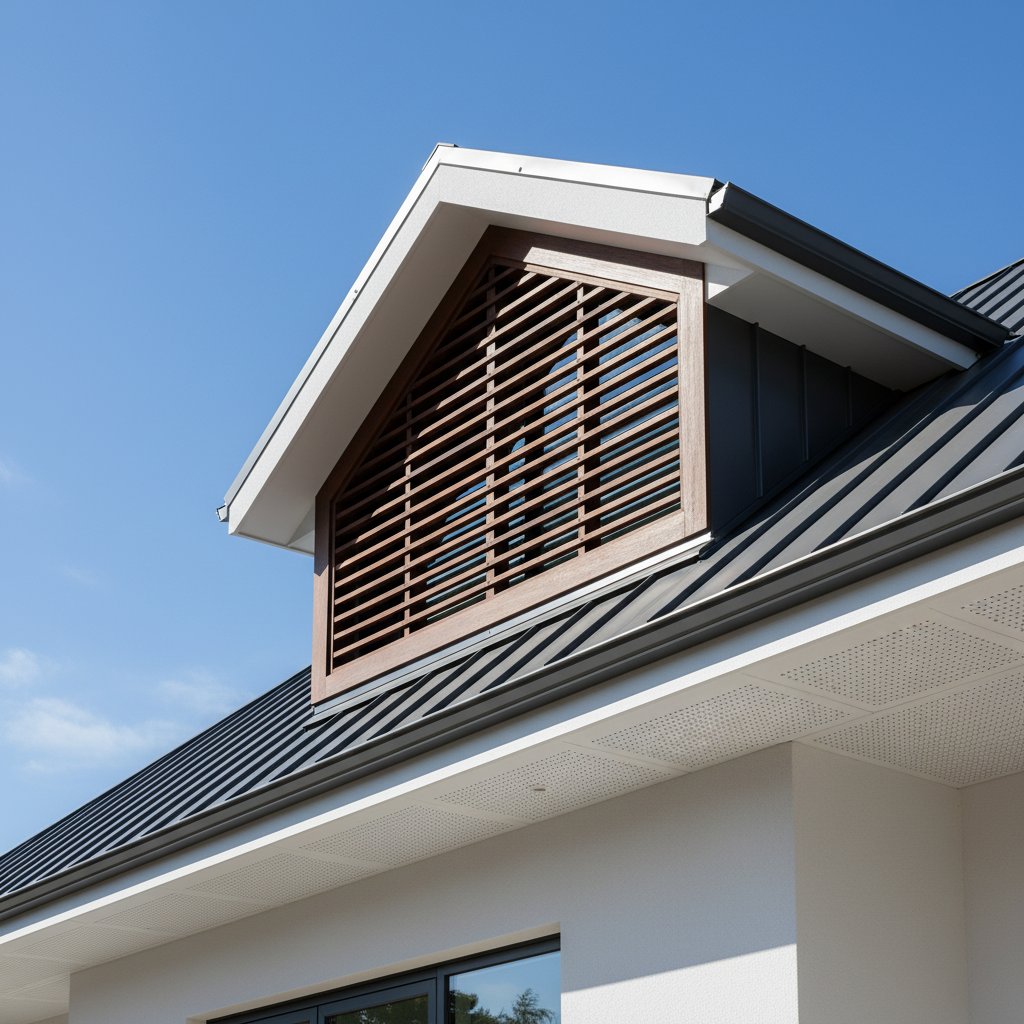
A three-story terrace house received a complete ventilation redesign featuring cross-ventilation corridors and strategically positioned windows. The system uses stack effect principles to draw cool air from the ground level while expelling warm air through roof vents, reducing indoor temperatures by 4-6°C during peak hours.
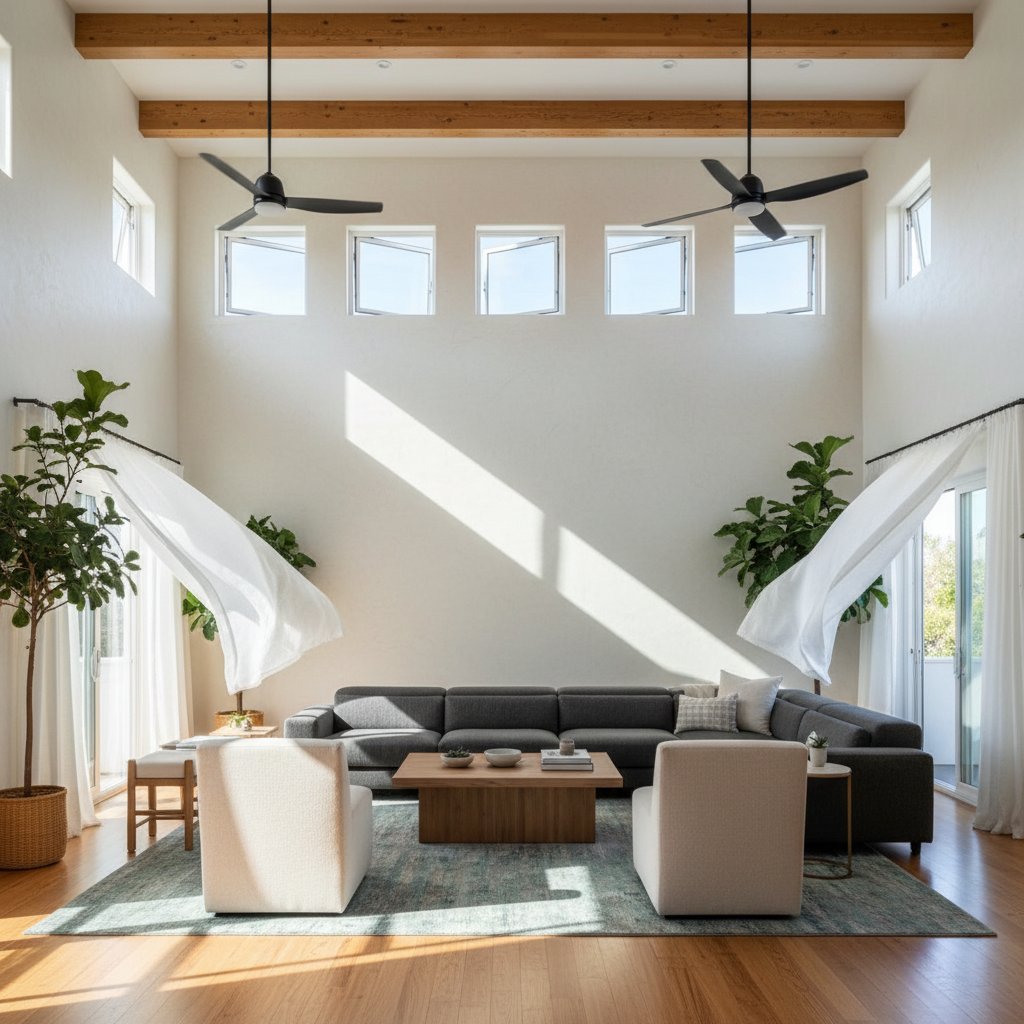
This 280 square meter office space now operates with 70% less air conditioning through a combination of operable clerestory windows, thermal mass cooling, and wind catchers. The design incorporates automated louvers that respond to temperature sensors, maintaining comfort for 45 employees while cutting electricity bills by S$1,800 monthly.
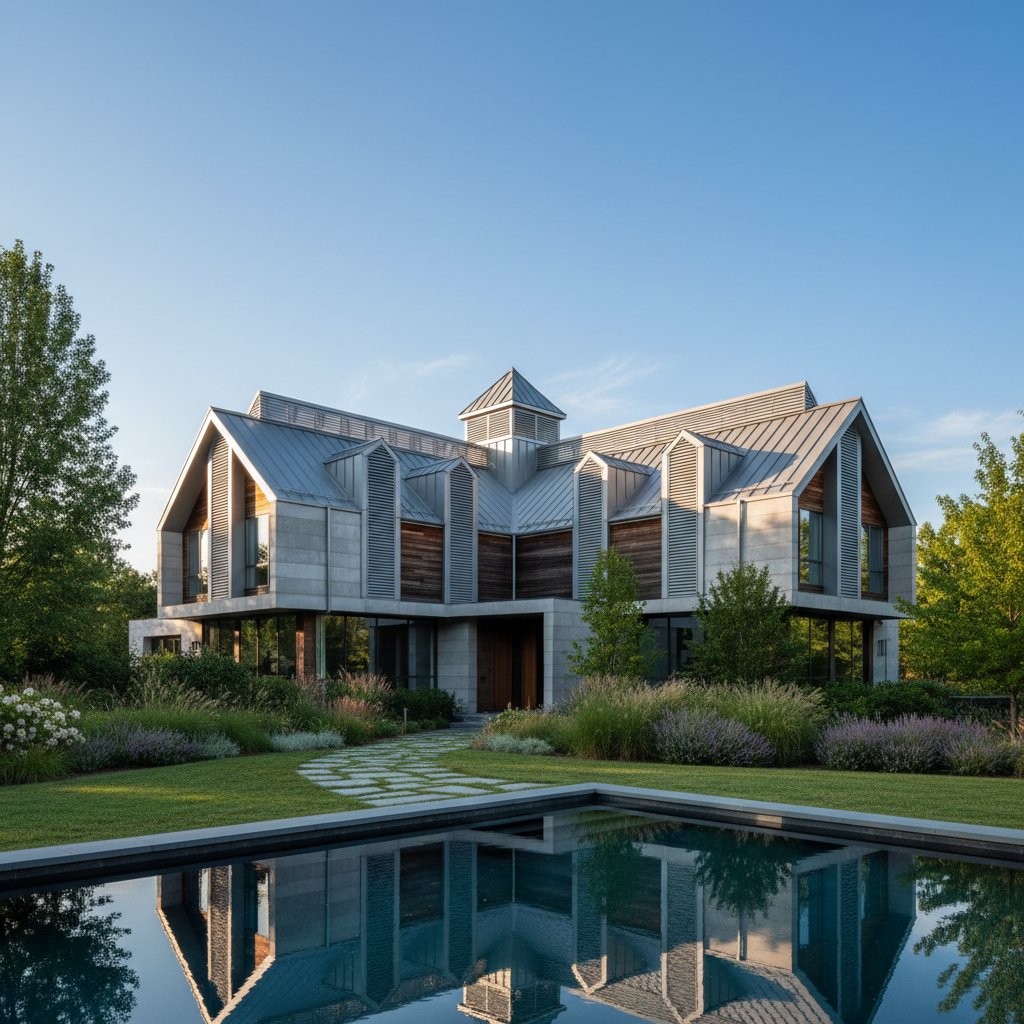
Located 800 meters from the coastline, this property takes advantage of sea breezes through carefully angled window placements and a central atrium. The ventilation system includes motorized skylights that open automatically based on indoor temperature readings, creating a continuous airflow path that keeps the home naturally cool throughout the day.
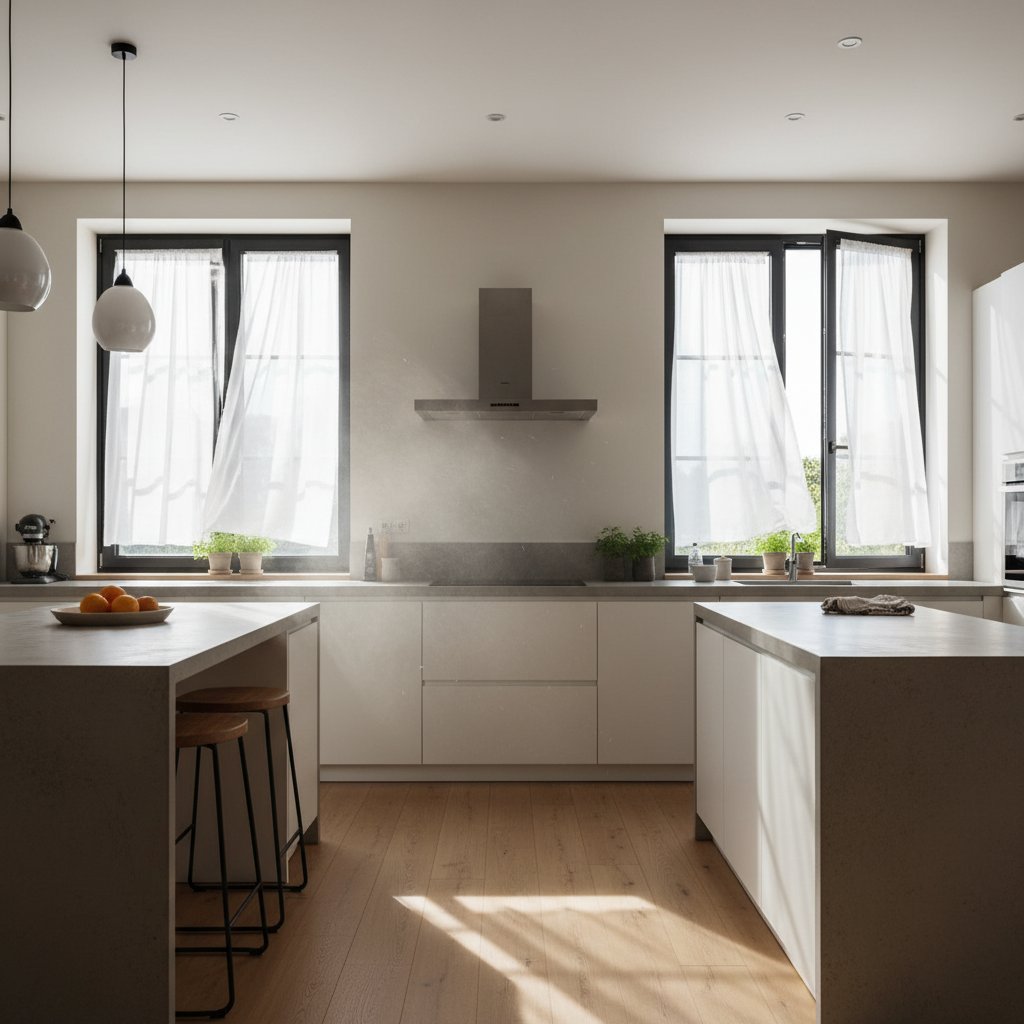
A heritage shophouse transformed into a modern workspace while preserving its architectural character. We installed vertical ventilation shafts, restored original air wells, and added adjustable louvered panels. The narrow building now benefits from enhanced cross-ventilation, with air movement measured at 0.8-1.2 meters per second during typical weather conditions.

This single-story bungalow features a comprehensive passive cooling approach with solar chimneys, shaded verandas, and high-performance insulation. The owners report comfortable living conditions without air conditioning for 8-9 months annually. Strategic landscaping with mature trees provides additional cooling through evapotranspiration and wind channeling.
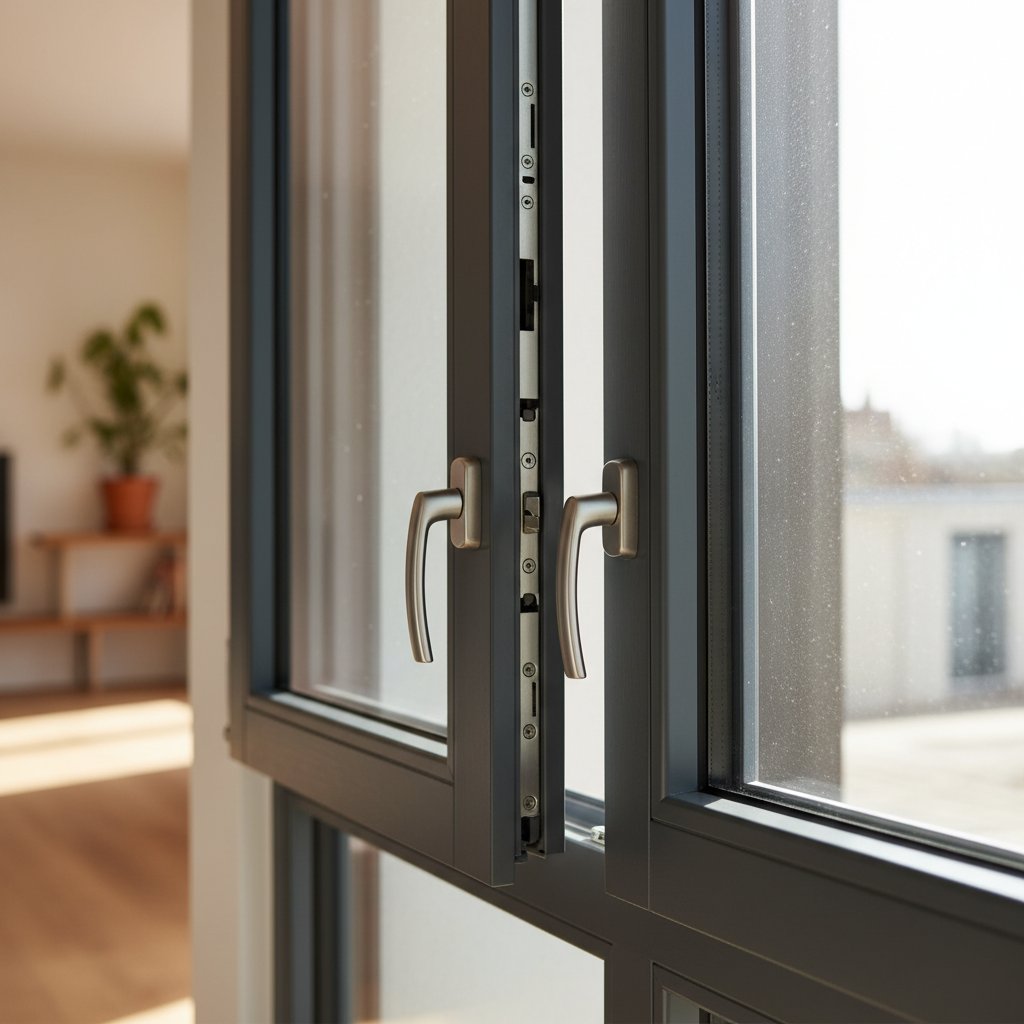
A 450 square meter workshop now maintains acceptable working temperatures through roof-mounted wind turbines, high-level exhaust vents, and reflective roofing materials. The system handles heat from machinery and equipment while providing fresh air circulation for 12 workers. Temperature reduction of 5-7°C compared to pre-renovation conditions has improved productivity and reduced heat-related complaints.
A three-story terrace house received a complete ventilation redesign featuring cross-ventilation corridors and strategically positioned windows. The system uses stack effect principles to draw cool air from the ground level while expelling warm air through roof vents, reducing indoor temperatures by 4-6°C during peak hours.
The project involved computational fluid dynamics modeling to determine optimal window sizes and placements. We installed operable windows on opposite walls at each level, creating pressure differentials that drive continuous air movement. Roof vents with rain protection allow hot air to escape naturally, while ground-level openings are positioned to capture prevailing winds.
This 280 square meter office space now operates with 70% less air conditioning through a combination of operable clerestory windows, thermal mass cooling, and wind catchers. The design incorporates automated louvers that respond to temperature sensors, maintaining comfort for 45 employees while cutting electricity bills by S$1,800 monthly.
The ventilation strategy includes night cooling protocols where windows open automatically after business hours to flush out accumulated heat. Exposed concrete ceilings absorb coolness during nighttime, releasing it gradually during the day. Wind catchers on the roof capture and direct breezes into the workspace through ducting integrated with the existing structure.
Located 800 meters from the coastline, this property takes advantage of sea breezes through carefully angled window placements and a central atrium. The ventilation system includes motorized skylights that open automatically based on indoor temperature readings, creating a continuous airflow path that keeps the home naturally cool throughout the day.
The central atrium functions as a thermal chimney, drawing air vertically through the house. We installed sensors that monitor temperature, humidity, and wind speed, controlling skylight operation to maximize cooling efficiency. The system adapts to changing weather conditions, closing openings during rain while maintaining ventilation through protected vents.
A heritage shophouse transformed into a modern workspace while preserving its architectural character. We installed vertical ventilation shafts, restored original air wells, and added adjustable louvered panels. The narrow building now benefits from enhanced cross-ventilation, with air movement measured at 0.8-1.2 meters per second during typical weather conditions.
Working within conservation guidelines, we maximized the existing air well and added new vertical shafts that connect all three floors. Louvered panels allow occupants to control airflow direction and intensity. The ground floor features larger openings that capture street-level breezes, while upper floors benefit from stack effect ventilation through the restored air well.
This single-story bungalow features a comprehensive passive cooling approach with solar chimneys, shaded verandas, and high-performance insulation. The owners report comfortable living conditions without air conditioning for 8-9 months annually. Strategic landscaping with mature trees provides additional cooling through evapotranspiration and wind channeling.
The design includes three solar chimneys positioned at key locations to maximize heat extraction. Deep roof overhangs and verandas reduce direct solar gain on walls and windows. We specified insulation with R-values of 3.5 for walls and 6.0 for the roof, significantly reducing heat transfer. Landscape design directs prevailing winds through the property while providing shade.
A 450 square meter workshop now maintains acceptable working temperatures through roof-mounted wind turbines, high-level exhaust vents, and reflective roofing materials. The system handles heat from machinery and equipment while providing fresh air circulation for 12 workers. Temperature reduction of 5-7°C compared to pre-renovation conditions has improved productivity and reduced heat-related complaints.
Wind turbines create negative pressure that continuously extracts hot air from the ceiling level where it accumulates. High-level vents supplement this extraction, while low-level openings allow fresh air intake. The reflective roof coating reduces solar heat gain by 40%, keeping the metal structure cooler. Industrial fans provide spot cooling at workstations during peak heat periods.
Real experiences from homeowners across Singapore who have implemented natural cooling solutions in their properties
All reviews are from verified clients who have completed projects with Cleanplanpaths. Individual results may vary based on property characteristics, orientation, and local climate conditions. Natural ventilation effectiveness depends on factors including building design, surrounding environment, and prevailing wind patterns in your specific location.
Reach out to discuss how passive cooling techniques can work for your property. Our team analyzes airflow patterns, building orientation, and climate conditions specific to Singapore to create effective ventilation strategies.