Designing a natural ventilation system: How to cool a house without relying on A/C in 2024: what's changed and what works
Air conditioning accounts for roughly 6% of all electricity produced in the United States, costing homeowners about $29 billion annually. But here's the thing: humans kept cool for thousands of years before Willis Carrier invented the AC unit in 1902. The difference in 2024? We've gotten smarter about combining ancient wisdom with modern building science.
If you're tired of watching your electric meter spin like a slot machine every summer, passive cooling through natural ventilation might be your answer. Let's break down what actually works.
1. Stack Ventilation: Let Physics Do the Heavy Lifting
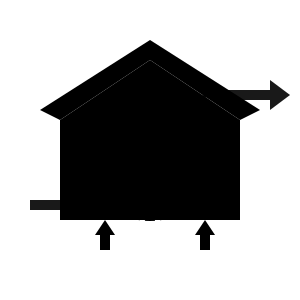
Hot air rises. Revolutionary, right? But most houses are designed like sealed boxes that fight this basic principle. Stack ventilation (also called the chimney effect) creates a vertical path for warm air to escape through upper openings while pulling cooler air in below. The temperature difference between inlet and outlet creates natural pressure that moves air without a single watt of electricity.
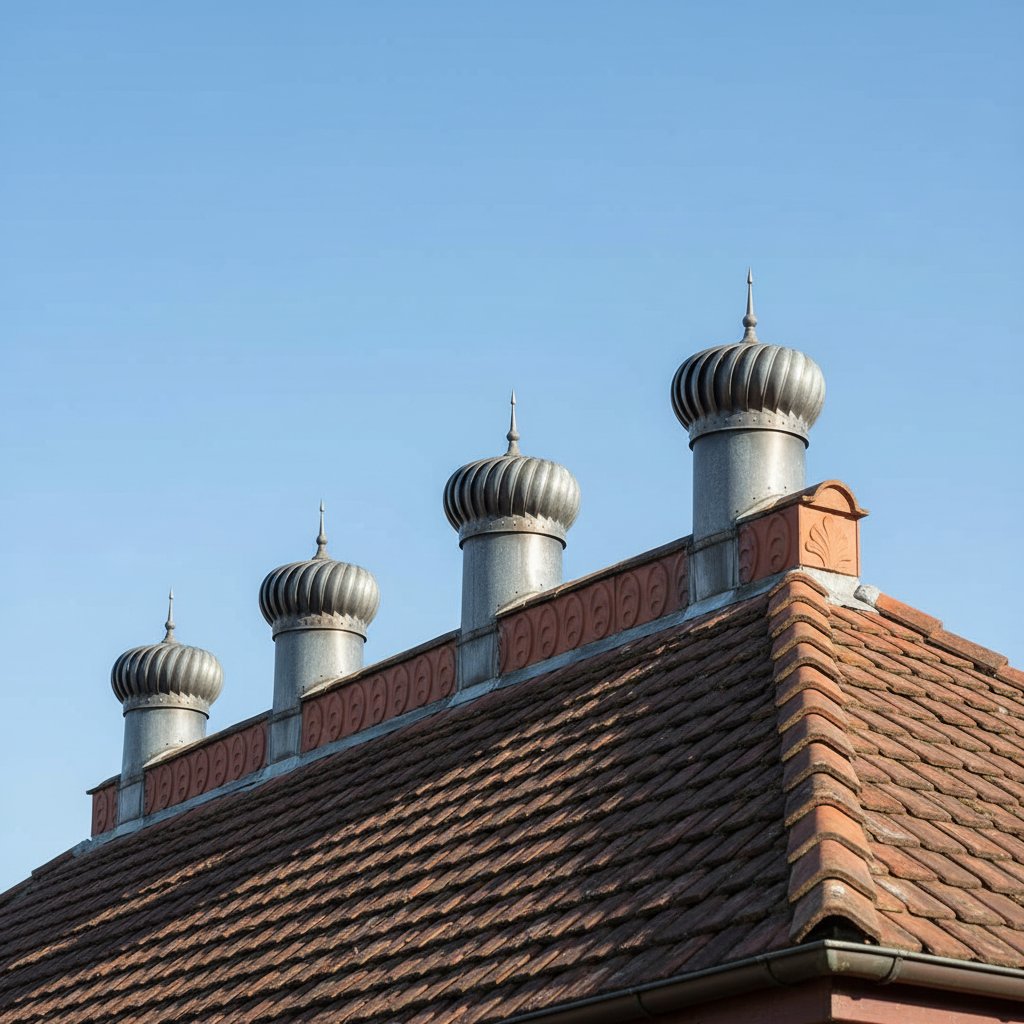
The sweet spot is creating a vertical distance of at least 8-10 feet between your low and high openings. A two-story house with operable windows near the floor and skylights or cupolas at the roof can move 4-6 air changes per hour when there's a 10-degree temperature difference. That's comparable to many mechanical systems. Modern solar-powered openers can automatically crack those high windows when indoor temps hit your threshold, typically around $200-300 per unit.
2. Cross Ventilation: Map Your Prevailing Winds
Your local weather patterns haven't changed much, but tools to analyze them have gotten ridiculously good. Apps like Windfinder and websites like Weather Underground give you historical wind data down to the hour. Most regions have consistent prevailing winds from a specific direction during summer months.
Position windows on opposite walls perpendicular to these winds. A window on the windward side acts as your intake, while the leeward window becomes your exhaust. The magic happens when you offset them slightly—placing the exhaust window higher and the intake lower amplifies the effect by combining cross flow with stack ventilation. One architect I know in Austin designed a home with this principle and measured indoor temperatures running 8-12 degrees cooler than outdoor temps on breezy days.
3. Night Flush Cooling: The 3am Strategy
Thermal mass is your secret weapon, but only if you use it right. Materials like concrete, brick, and stone absorb heat during the day and release it slowly. The trick is purging that stored heat before the next day's cycle begins.
Open everything from 10pm to 6am when outdoor temps drop. Your goal is flushing out the entire house volume at least twice. For a 2,000 square foot house with 8-foot ceilings, that's 16,000 cubic feet of air. Whole-house fans (the modern versions run on 120-400 watts) can move 3,000-7,000 CFM and complete this exchange in 15-20 minutes. Close up tight by 7am, and that thermal mass stays cool well into the afternoon. Homeowners in Sacramento report indoor temps holding at 72-75°F until 3pm even when it's 95°F outside.
4. The Courtyard Effect: Create Your Own Microclimate
Mediterranean and Middle Eastern architecture figured this out centuries ago. A central courtyard with a water feature or vegetation creates a cool air sink. As hot air rises from the courtyard, it pulls cooler air from shaded surrounding rooms, which then draw from the courtyard center.
You don't need a palazzo. A 12x12 foot courtyard in an L-shaped ranch can drop surrounding room temperatures by 5-7 degrees. Add a shade structure covering 60-70% of the space (not fully enclosed), and you've created a natural cooling tower. Modern interpretations use retractable shade sails ($300-800) that let you adjust based on sun angle and season.
5. Smart Landscaping: Your First Line of Defense
Trees aren't just pretty. A mature deciduous tree on the west side of your house blocks 70-90% of solar radiation during peak afternoon hours. The catch? You need to plant 15-20 feet from your foundation to avoid root issues, and you're looking at 5-7 years before meaningful shade develops.
Faster options exist. Pergolas with climbing vines can provide 50-60% shade coverage in two growing seasons. Virginia creeper and trumpet vine grow 10-15 feet per year in the right conditions. One homeowner in Phoenix installed a cable trellis system with fast-growing vines and measured a 23-degree temperature difference between the shaded and unshaded sides of her house within three years.
6. Wing Walls and Wind Catchers: Ancient Tech, Modern Materials
Wind catchers (badgirs) have cooled Persian homes for over 3,000 years. These vertical towers catch breezes from any direction and funnel them downward. Modern versions use lightweight aluminum or composite materials instead of mud brick, and they're making a comeback in sustainable architecture.
Wing walls are simpler: vertical panels extending from windows at 45-60 degree angles that redirect airflow into openings. A 3-foot wing wall can increase airflow through a window by 40-60%. You can build these for $50-100 in materials using exterior-grade plywood and proper flashing. They look architectural rather than makeshift if you match your home's trim details.
The reality? You'll probably still want AC for the brutal weeks of summer. But designing passive ventilation into your home can reduce cooling loads by 30-50%, dropping those electric bills significantly. Start with the strategies that fit your climate and architecture, measure the results, and adjust. Your power company won't send a thank-you note, but your checking account will.