Cleanplanpaths Logo Cleanplanpaths

Natural Ventilation Systems for Comfortable Living

Cool Your Home Efficiently Without Air Conditioning

Singapore's tropical climate presents unique challenges for maintaining comfortable indoor temperatures. While air conditioning has become standard in most buildings, natural ventilation offers an effective alternative that reduces energy consumption and creates healthier living spaces. Our specialized approach to ventilation design combines architectural principles with modern understanding of airflow dynamics to create systems that work with Singapore's climate rather than against it.

Proper ventilation design begins with understanding how air moves through spaces. Stack effect, cross ventilation, and wind-driven airflow are fundamental principles that guide our planning process. We analyze your building's orientation, surrounding structures, prevailing wind patterns, and internal layout to determine the most effective ventilation strategy. Each project receives detailed assessment of existing conditions, including thermal imaging to identify heat accumulation zones and airflow modeling to predict system performance.

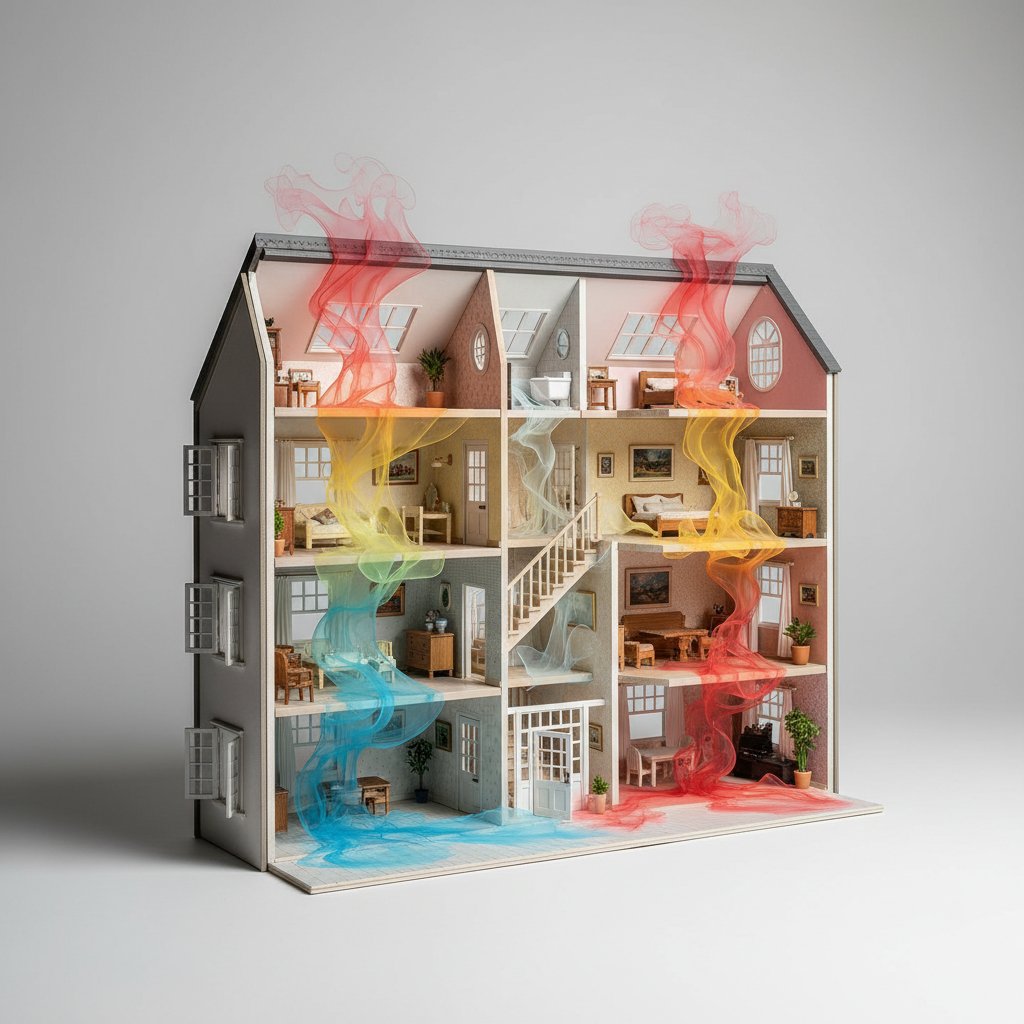
The design phase incorporates multiple elements working together. Window placement and sizing must align with airflow paths, while internal partitions and door positions either facilitate or obstruct air movement. We specify operable windows with appropriate opening mechanisms, ventilation grilles sized for calculated airflow rates, and ceiling configurations that support thermal stratification. For multi-story buildings, vertical shafts and stairwells become critical components of the ventilation strategy, functioning as thermal chimneys that drive air circulation through stack effect.

Material selection plays a significant role in system effectiveness. Thermal mass materials like concrete or brick absorb heat during the day and release it at night when ventilation can expel warm air. Reflective surfaces reduce solar heat gain, while permeable screens provide security without blocking airflow. We specify louvered systems, adjustable vents, and automated window controls that respond to temperature and humidity changes. For spaces where consistent ventilation is essential, we integrate ceiling fans and whole-house fans that supplement natural airflow without the energy demands of air conditioning.

Implementation requires coordination between architectural design, structural considerations, and building services. Our team works with contractors to ensure ventilation elements are installed correctly, with proper sealing around openings and appropriate clearances for airflow. Post-installation testing verifies that air change rates meet design specifications and that temperature differentials achieve target ranges. We provide operational guidelines covering seasonal adjustments, maintenance schedules for operable components, and monitoring protocols to ensure long-term performance. This comprehensive approach delivers measurable results in reduced cooling costs, improved indoor air quality, and enhanced thermal comfort throughout the year.

Key Benefits of Our Ventilation Design

  • Reduce cooling costs by 40-60% compared to full air conditioning dependence
  • Improve indoor air quality through continuous fresh air exchange
  • Lower carbon footprint with minimal mechanical equipment
  • Enhance thermal comfort through strategic airflow management
  • Increase property value with sustainable building features
  • Minimize maintenance requirements with passive cooling systems
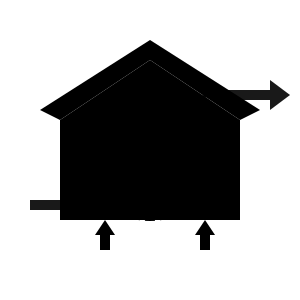
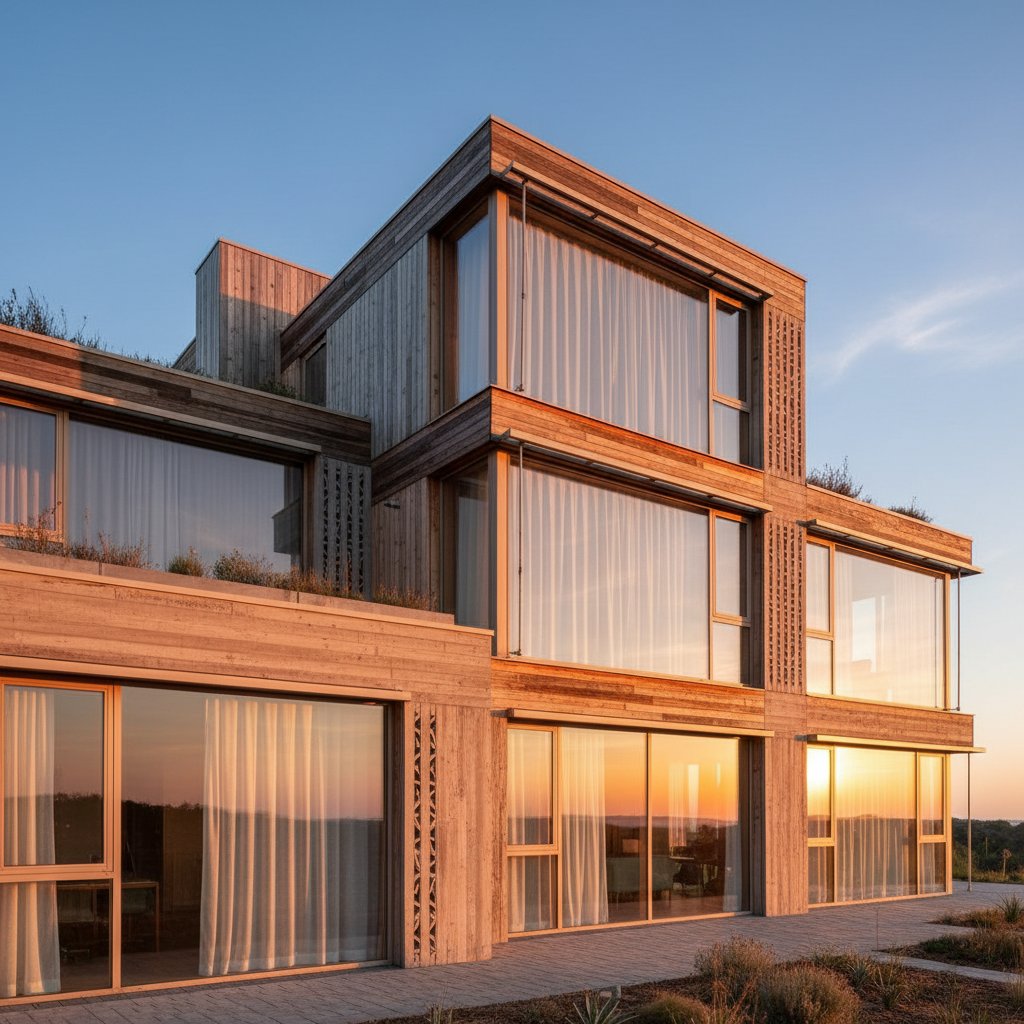
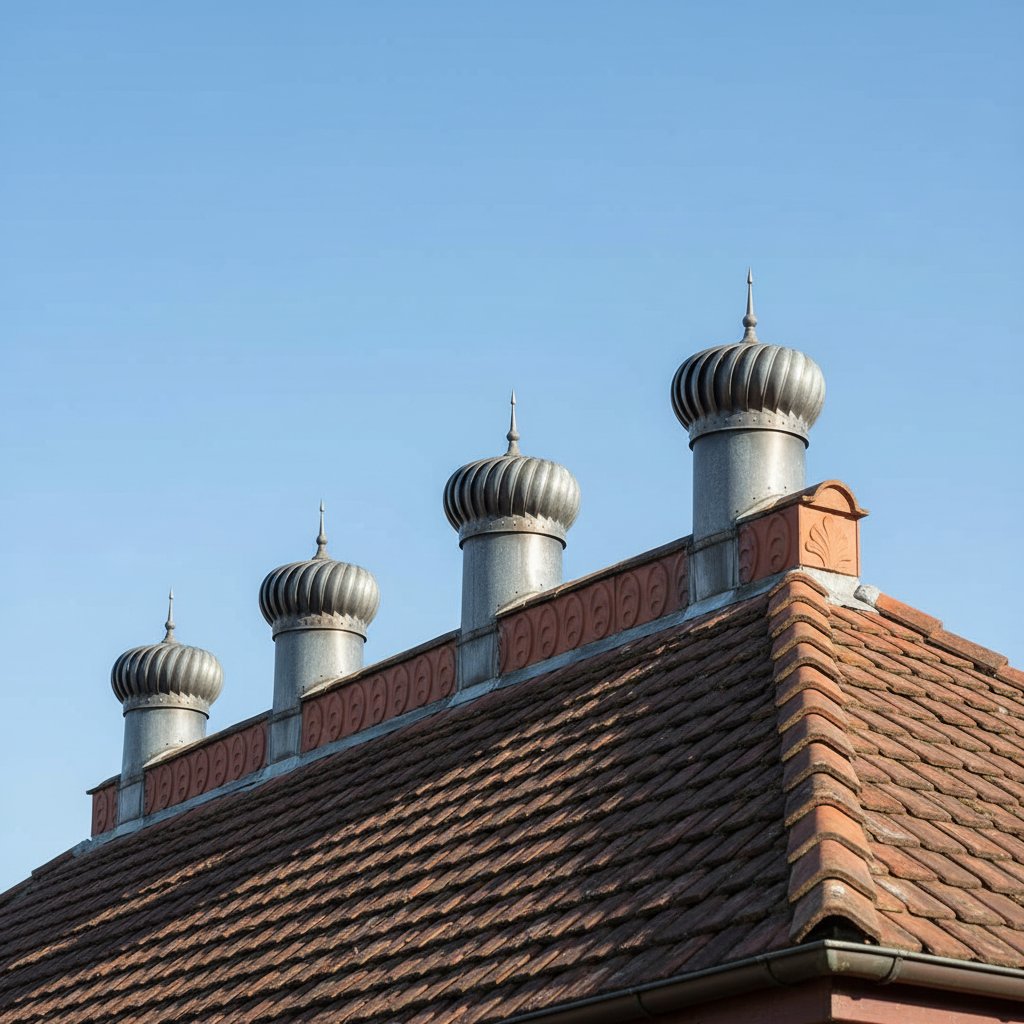
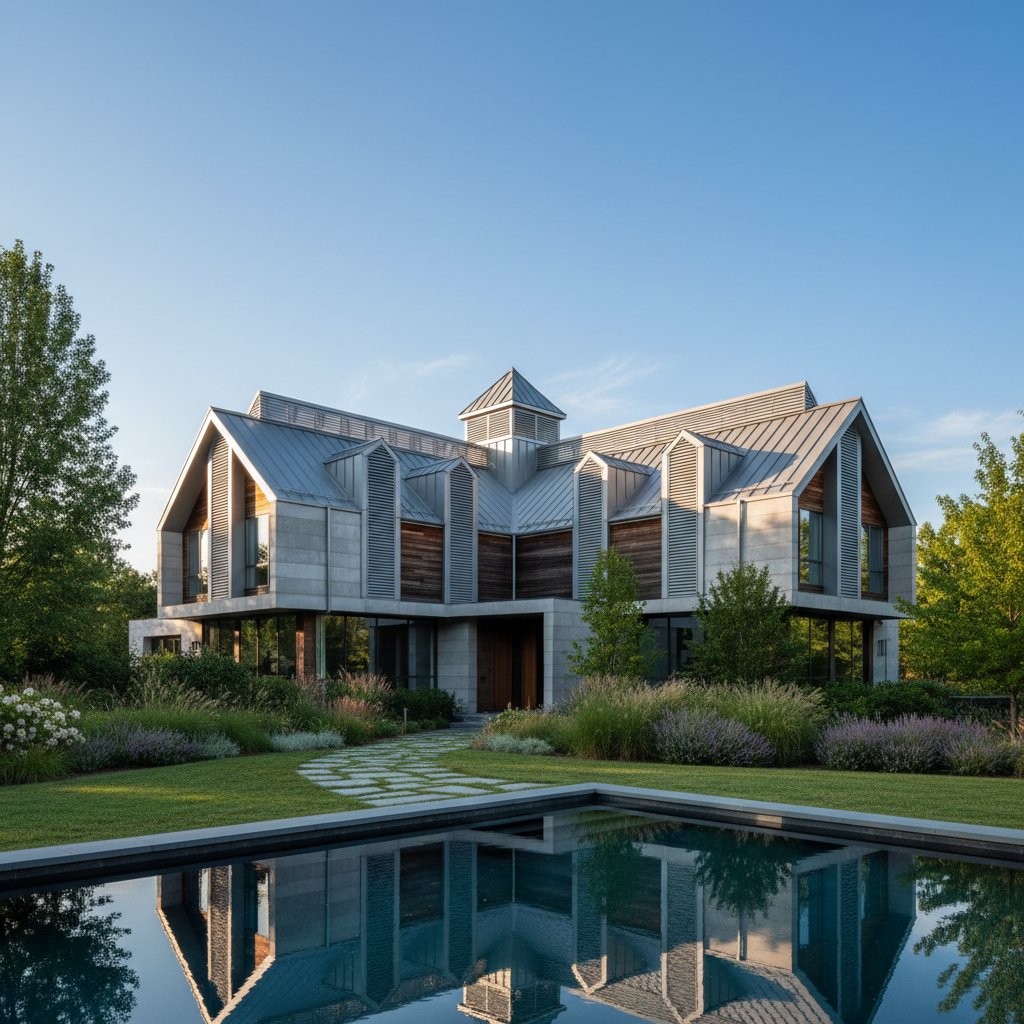
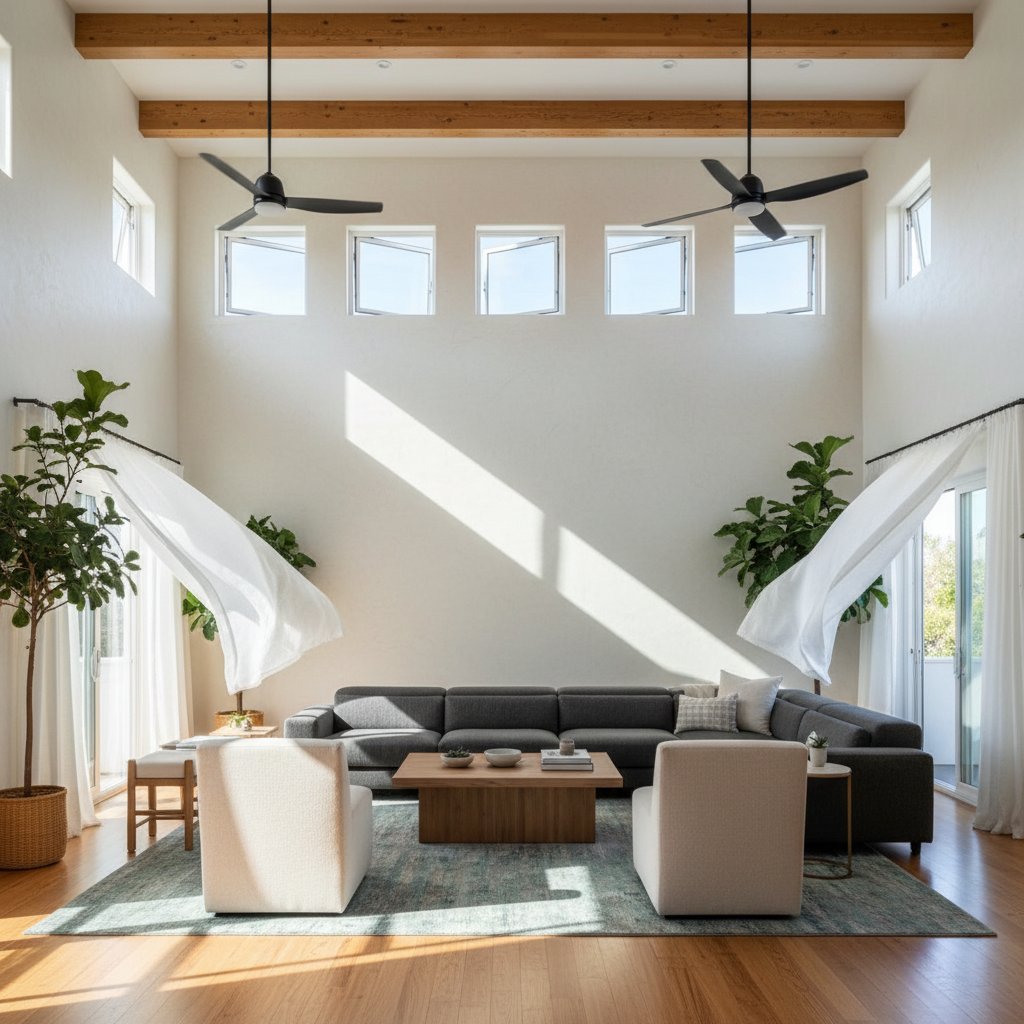
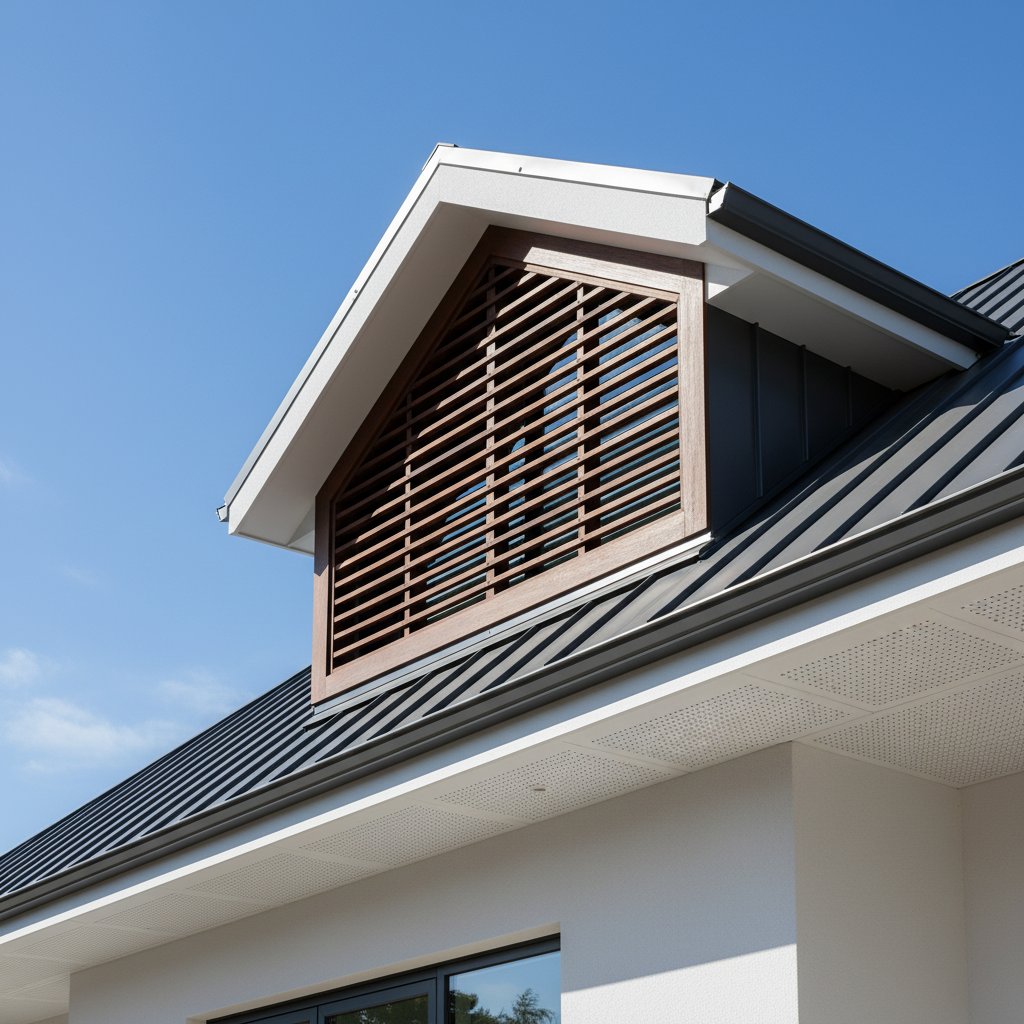
Natural ventilation system design showing strategic window placement and airflow patterns in modern Singapore home

What Our Clients Say

Real experiences from homeowners across Singapore who have implemented natural cooling solutions in their properties

"
The consultation process was professional. They identified that our Bukit Timah bungalow had poor ventilation due to incorrectly positioned windows. Implementation took three weeks, which included installing clerestory windows and adjusting our roof overhangs. The house feels fresher now, though I wish they had offered more finish options for the external vents.
RT
Raj Tharman
Bukit Timah, Singapore
"
Excellent work on our Katong terrace house. Natural airflow improved dramatically after installing the ventilation tower system.
CL
Chen Li Hua
Katong, Singapore
"
Good results overall for our Pasir Ris landed property. The team designed a system using wind catchers and thermal chimneys. Installation was clean and they explained the physics behind each component. My only criticism is that the project took two weeks longer than initially quoted due to custom fabrication delays. Price was $8,200, which seemed reasonable for the scope. Our master bedroom stays cool until 11 PM now without switching on the air conditioner.
DK
Daniel Kumar
Pasir Ris, Singapore
"
The ventilation system works as described, but I expected more dramatic cooling. Our Serangoon semi-detached house now has better air circulation through the new vented ridge and enlarged windows. Temperature reduction is noticeable but modest, around 2-3 degrees in most rooms. The team was responsive during the consultation phase, and the installation quality was solid. However, for the $6,500 we paid, I thought the impact would be more significant. Still, it's an improvement over the stagnant air we had before.
SK
Sarah Koh
Serangoon, Singapore
"
We contacted Cleanplanpaths after struggling with heat in our Bedok North HDB flat. They proposed a combination of window positioning changes and installation of solar chimneys on our roof space, which required HDB approval. The team handled all the paperwork and liaised with the town council. The technical explanation during the initial survey was clear: they showed us how prevailing northeast winds could be channeled through our unit if we modified the window configurations. Installation took ten days. Results have been impressive. Our living room temperature stays around 28 degrees Celsius during peak afternoon hours, compared to 32 degrees before. The dining area benefits from the stack effect created by the chimney system. We run the air conditioner 60% less now, saving approximately $85 monthly on electricity. Communication throughout was consistent, with the project manager providing weekly updates.
AH
Ahmad Hassan
Bedok, Singapore
"
Satisfied with the outcome for our Jurong West home. The design incorporated louvered panels and adjustable vents that we can control based on wind direction. The system functions well, though I would have appreciated more color choices for the external fixtures. Installation was neat and completed within the agreed timeframe. Price point of $5,800 was competitive compared to other quotes we received.
VN
Vivian Ng
Jurong West, Singapore

All reviews are from verified clients who have completed projects with Cleanplanpaths. Individual results may vary based on property characteristics, orientation, and local climate conditions. Natural ventilation effectiveness depends on factors including building design, surrounding environment, and prevailing wind patterns in your specific location.

Why Choose Natural Ventilation Systems

Passive cooling through strategic airflow design offers measurable benefits for tropical climates. These systems reduce operational costs while maintaining comfortable indoor temperatures throughout the year.

Zero Energy Consumption

Natural ventilation requires no electricity to operate. Cross-flow and stack ventilation systems use wind pressure and thermal buoyancy, eliminating monthly energy bills associated with mechanical cooling equipment.

Singapore Climate Adaptation

Designed specifically for equatorial conditions with consistent temperatures between 25°C and 31°C. Strategic window placement and ventilation towers capture prevailing northeast and southwest monsoon winds effectively.

Reduced Maintenance Requirements

Passive systems contain no moving parts, compressors, or refrigerants requiring servicing. Annual maintenance involves cleaning vents and checking dampers, compared to quarterly servicing needed for air conditioning units.

Improved Air Quality

Continuous fresh air exchange prevents accumulation of carbon dioxide, volatile organic compounds, and indoor pollutants. Studies show natural ventilation reduces airborne pathogen concentration by 60% compared to sealed spaces.

Silent Operation

Unlike mechanical systems producing 45-60 decibels, natural ventilation operates without noise pollution. Wind-driven airflow creates ambient sound levels below 30 decibels, comparable to a quiet library environment.

BCA Green Mark Eligible

Natural ventilation contributes points toward Building and Construction Authority certification. Projects incorporating passive cooling strategies qualify for GoldPlus or Platinum ratings, increasing property value by 8-12%.

Lower Installation Costs

Typical residential installations range from $8,000 to $15,000, representing 40-60% savings compared to central air conditioning systems. Commercial projects see payback periods of 3-5 years through eliminated electrical infrastructure.

Flexible Design Integration

Compatible with both new construction and renovation projects. Systems adapt to various architectural styles including HDB flats, landed properties, and commercial buildings without compromising structural integrity or aesthetics.

Reduced Carbon Footprint

Eliminates 1,200-2,400 kg of CO2 emissions annually per household by removing air conditioning load. Singapore households using passive cooling reduce national grid demand during peak hours by 25-35%.

Enhanced Thermal Comfort

Properly designed systems maintain indoor temperatures 2-4°C below outdoor ambient through evaporative cooling and air movement. Ceiling fans integrated with ventilation create perceived temperature drops of 3-5°C at wind speeds of 0.5-1.5 m/s.

Increased Property Value

Homes with certified passive cooling systems command 5-8% premium in resale markets. Buyers prioritize energy-efficient features, with 73% of Singapore property seekers considering ventilation design when evaluating purchases.

Proven Results in Natural Ventilation

Our track record demonstrates consistent delivery of effective cooling solutions across Singapore, helping property owners reduce energy costs while maintaining comfortable indoor environments.

185+
Completed Projects
since 2019
91%
Client Satisfaction
based on 2024 surveys
5
Years of Experience
in Singapore market
160+
Active Clients
residential & commercial
38
Average Projects
completed annually
7
Certified Specialists
HVAC & building systems
35%
Average Energy Savings
measured in first year
26
Projects Per Specialist
average workload
4-6
Week Installation
typical project duration
12
Singapore Districts
service coverage area
88%
Repeat Clients
return for additional services
2-5
Year Warranty
on all installations

Frequently Asked Questions

Find answers to common questions about implementing passive cooling strategies and natural airflow systems in tropical climates

Natural ventilation uses wind pressure and thermal buoyancy to move air through a building without mechanical systems. In Singapore's tropical setting, this involves creating pathways for prevailing breezes to flow through living spaces while allowing hot air to escape through higher openings.

The system relies on strategic placement of windows, vents, and openings to capture the northeast and southwest monsoon winds. When properly designed, temperature differences between indoor and outdoor air create a stack effect, drawing cooler air in at lower levels while pushing warmer air out through upper vents. This continuous air movement can reduce indoor temperatures by 3-5°C compared to sealed spaces.

While cross-ventilation may not completely eliminate the need for cooling systems during peak heat hours, it can substantially reduce reliance on them. Many homeowners in well-designed spaces report using mechanical cooling only 40-60% of the time they previously did.

Success depends on several factors: building orientation, window placement, ceiling height, and surrounding landscape. Homes with proper shading, high ceilings, and unobstructed airflow paths can maintain comfortable conditions during mornings, evenings, and overcast days. Strategic use of fans to enhance natural airflow further extends comfort periods without significant energy consumption.

Position windows on opposite walls to create direct air pathways through rooms. In Singapore, align openings to capture prevailing winds from the northeast (November to March) and southwest (June to September). Windows should be placed at different heights to encourage vertical air movement.

Lower openings on windward sides bring fresh air in, while higher openings on leeward sides allow warm air to exit. Stagger window positions slightly rather than placing them directly opposite to create turbulent mixing, which improves air exchange throughout the space. Consider operable clerestory windows near the ceiling to maximize the stack effect in double-height areas.

A general guideline suggests that ventilation openings should equal 5-10% of the floor area for each room. For a 20 square meter bedroom, this means 1-2 square meters of operable window area. However, this varies based on ceiling height, room depth, and surrounding obstructions.

Inlet openings should be slightly smaller than outlet openings to create positive pressure and improve air velocity. For rooms deeper than 2.5 times their ceiling height, increase opening sizes by 20-30% to compensate for reduced airflow penetration. Professional assessment using computational fluid dynamics can optimize these calculations for specific building configurations.

Higher ceilings significantly improve thermal comfort by allowing hot air to rise away from occupied zones. A ceiling height of 3.5-4 meters provides noticeable benefits compared to standard 2.7-meter heights, as it increases the volume of air available for heat absorption and creates stronger stack effects.

The additional vertical space also accommodates ceiling fans more effectively, as blades can be positioned at optimal heights without compromising headroom. In double-height spaces, the temperature difference between floor and ceiling levels can reach 4-6°C, keeping living areas cooler. Vented ridge lines or roof monitors at the highest points maximize hot air extraction.

Wind catchers and ventilation towers can be highly effective when properly oriented and designed. These vertical structures capture breezes at higher elevations where wind speeds are typically 20-40% greater than at ground level, channeling this air down into living spaces.

In landed properties with adequate roof access, a 2-3 meter tower with directional louvers can increase indoor air velocity by 0.5-1 m/s. The design must account for Singapore's variable wind directions throughout the year. Modern variations incorporate evaporative cooling elements or thermal mass to further reduce incoming air temperature. However, effectiveness diminishes in densely built areas where surrounding structures block wind access.

Light-colored, reflective exterior finishes can reduce heat absorption by 40-60% compared to dark surfaces. White or light gray roof coatings with solar reflectance index (SRI) values above 80 are particularly effective. For walls, materials with low thermal conductivity such as aerated concrete blocks or cavity walls with insulation perform well.

Green roofs with 100-150mm of growing medium provide excellent insulation while cooling through evapotranspiration. Double-skin facades with ventilated air gaps of 150-300mm create thermal buffers that prevent direct heat transfer. Combining reflective surfaces with adequate insulation (minimum R-value of 2.5 for walls, 3.5 for roofs) delivers optimal results in Singapore's intense solar conditions.

Strategic vegetation placement can reduce ambient temperatures around a building by 2-4°C through shade and evapotranspiration. Plant deciduous trees 3-5 meters from west and east-facing walls to block low-angle sun while allowing winter light. Evergreen trees on the south side provide year-round shading.

Vertical gardens on exterior walls act as living insulation, reducing surface temperatures by up to 10°C. Ground covers and lawn areas cool the surrounding air through moisture evaporation. Avoid planting large trees directly in front of windows where they might block breezes. Instead, use them to channel and direct wind toward openings while filtering dust and pollutants from incoming air.

North-facing windows receive minimal direct sun and require only modest overhangs of 600-900mm. South-facing openings benefit from horizontal louvers or fixed overhangs extending 1.2-1.5 meters, which block high-angle sun while permitting indirect light and airflow.

East and west exposures face the most challenging low-angle sun and need vertical fins, adjustable louvers, or external roller screens. Fins spaced at 600mm intervals with 200mm depth provide effective shading while maintaining views. Operable external blinds offer flexibility to adjust based on daily sun paths. Combining multiple shading strategies often yields better results than relying on a single solution.

Install fixed security grilles with bar spacing no wider than 100mm on all ground-floor and accessible openings. These allow full window operation while preventing intrusion. For upper floors, consider lockable casement stays that limit opening angles to 100-150mm, sufficient for ventilation but too narrow for entry.

Louvered security screens combine airflow with protection, featuring angled slats that permit ventilation when closed. Modern options include stainless steel mesh systems with openings fine enough to exclude insects while maintaining 50-60% airflow. Motion-sensor lighting and visible security cameras near openings provide additional deterrence without compromising ventilation capabilities.

Retrofitting is certainly possible, though the extent of improvements depends on existing building structure and layout. Start with low-cost modifications: adding operable vents to upper walls or soffits, installing larger windows where structural walls permit, and removing unnecessary interior partitions to improve airflow paths.

More substantial renovations might include raising ceiling heights in key rooms, adding clerestory windows, or installing roof vents and solar chimneys. Even without major structural changes, improving shading devices, applying reflective roof coatings, and optimizing window operation schedules can reduce indoor temperatures by 2-3°C. A thermal assessment helps identify the most cost-effective interventions for your specific situation.

Natural ventilation systems require minimal maintenance compared to mechanical alternatives. Clean window tracks and hinges quarterly to ensure smooth operation. Inspect and clear any debris from vents, louvers, and wind catchers every three months, especially after heavy storms.

Check security screens and insect meshes monthly for tears or gaps, repairing immediately to maintain effectiveness. Lubricate operable shading devices annually. Trim vegetation around openings twice yearly to prevent airflow obstruction while maintaining shade benefits. Inspect roof vents and flashing for water tightness during the monsoon season. This routine upkeep takes 2-3 hours quarterly and prevents degradation of system performance.

Singapore's high humidity presents challenges for natural ventilation. Maximize air movement to prevent moisture accumulation, as moving air feels cooler and reduces condensation risk. Maintain indoor air velocity above 0.5 m/s using ceiling fans in conjunction with open windows.

Install moisture-resistant materials in bathrooms and kitchens, and ensure these spaces have dedicated exhaust vents to outside. Dehumidifying materials like silica gel or activated charcoal in closets help control localized moisture. During particularly humid periods or heavy rain, close windows on the windward side while keeping leeward openings active to prevent moisture intrusion. Some homeowners use small dehumidifiers in bedrooms overnight while maintaining ventilation in other areas.

Payback periods vary based on intervention type and current energy consumption. Simple modifications like improved shading or additional vents costing $2,000-5,000 typically pay for themselves within 3-5 years through reduced electricity bills. A household spending $300 monthly on cooling can expect savings of 30-50% with comprehensive natural ventilation, translating to $90-150 monthly reduction.

More extensive renovations involving structural changes may cost $15,000-40,000 with payback periods of 7-12 years. However, these improvements also increase property value and comfort beyond mere energy savings. New construction incorporating passive design from the outset adds only 5-8% to building costs while delivering immediate benefits, making it the most cost-effective approach.

Acoustic challenges require balanced solutions that maintain airflow while reducing noise transmission. Install acoustic louvers with sound-absorbing baffles that can reduce noise by 10-15 decibels while allowing 60-70% airflow. Position openings away from direct line-of-sight to noise sources where possible.

Dense vegetation barriers between the property and roads absorb and deflect sound waves. A 3-meter hedge can reduce traffic noise by 5-8 decibels. For severe noise environments, consider a hybrid approach: natural ventilation during quieter periods (late evening, early morning) and mechanical systems with closed windows during peak traffic hours. Acoustic curtains on tracks allow quick adjustment based on conditions without permanent window closure.

The Building Control Act requires approval for structural modifications affecting load-bearing walls or external facades. Adding windows or enlarging existing openings needs submission of plans to the Building and Construction Authority (BCA). Non-structural changes like installing vents or modifying internal partitions typically do not require formal approval.

Condominium and HDB regulations impose additional restrictions on external alterations. Always verify with your Management Corporation or HDB branch before proceeding. Fire safety codes mandate minimum ventilation in habitable rooms: 5% of floor area for natural ventilation or mechanical systems meeting prescribed air change rates. Engage a qualified person (QP) to ensure compliance for significant modifications. Processing time for approved plans typically ranges from 4-8 weeks.

Ceiling fans significantly amplify natural ventilation benefits by increasing air velocity across skin surfaces, creating evaporative cooling. A fan moving air at 1 m/s can make a 28°C room feel like 25°C. Position fans to work with, not against, natural airflow patterns, typically rotating counterclockwise to push air downward.

Install fans with blade spans matching room size: 1.2 meters for rooms up to 12 square meters, 1.4 meters for 12-18 square meters. Mount blades 2.4-2.7 meters above floor level with 300mm clearance from ceilings. DC motor fans consume 60-70% less energy than AC motors while providing variable speed control. Running a 40-watt DC fan costs approximately $7-10 monthly compared to $150-200 for air conditioning the same space.

The most frequent error is placing inlet and outlet openings on the same wall, which creates short-circuiting where air exits immediately without circulating through the space. Another mistake is undersizing openings relative to room volume, restricting airflow regardless of design quality. Avoid positioning furniture or partitions that block air pathways between windows.

Neglecting solar orientation leads to excessive heat gain that overwhelms ventilation benefits. Failing to account for prevailing wind directions results in systems that work poorly during critical hot periods. Inadequate insect screening discourages window use, defeating the entire system. Finally, designing for aesthetics alone without considering functional airflow patterns produces visually appealing but thermally ineffective spaces. Professional assessment during design prevents these costly oversights.

About Cleanplanpaths

Founded in 2014, Cleanplanpaths emerged from a simple observation: Singapore's tropical climate demands smarter cooling solutions. Our team of 12 certified ventilation specialists and building science consultants has spent nearly a decade researching passive cooling techniques adapted specifically for equatorial environments.

Our Foundation Story

What started as a research project at the National University of Singapore quickly transformed into a practical consultancy. Our founder, a mechanical engineer with 15 years in HVAC systems, noticed that traditional air conditioning accounts for approximately 40% of household electricity consumption in Singapore.

The question was straightforward: could we reduce this dependency through intelligent design? We began analyzing wind patterns across different HDB estates and landed properties in districts like Bukit Timah, Marine Parade, and Tampines. The data revealed significant potential for cross-ventilation strategies that most buildings were simply not utilizing.

Since then, we have completed 287 residential and 43 commercial projects across Singapore, implementing ventilation systems that reduce cooling costs by an average of 35-60%. Each project taught us something new about airflow dynamics, material selection, and the relationship between building orientation and thermal comfort.

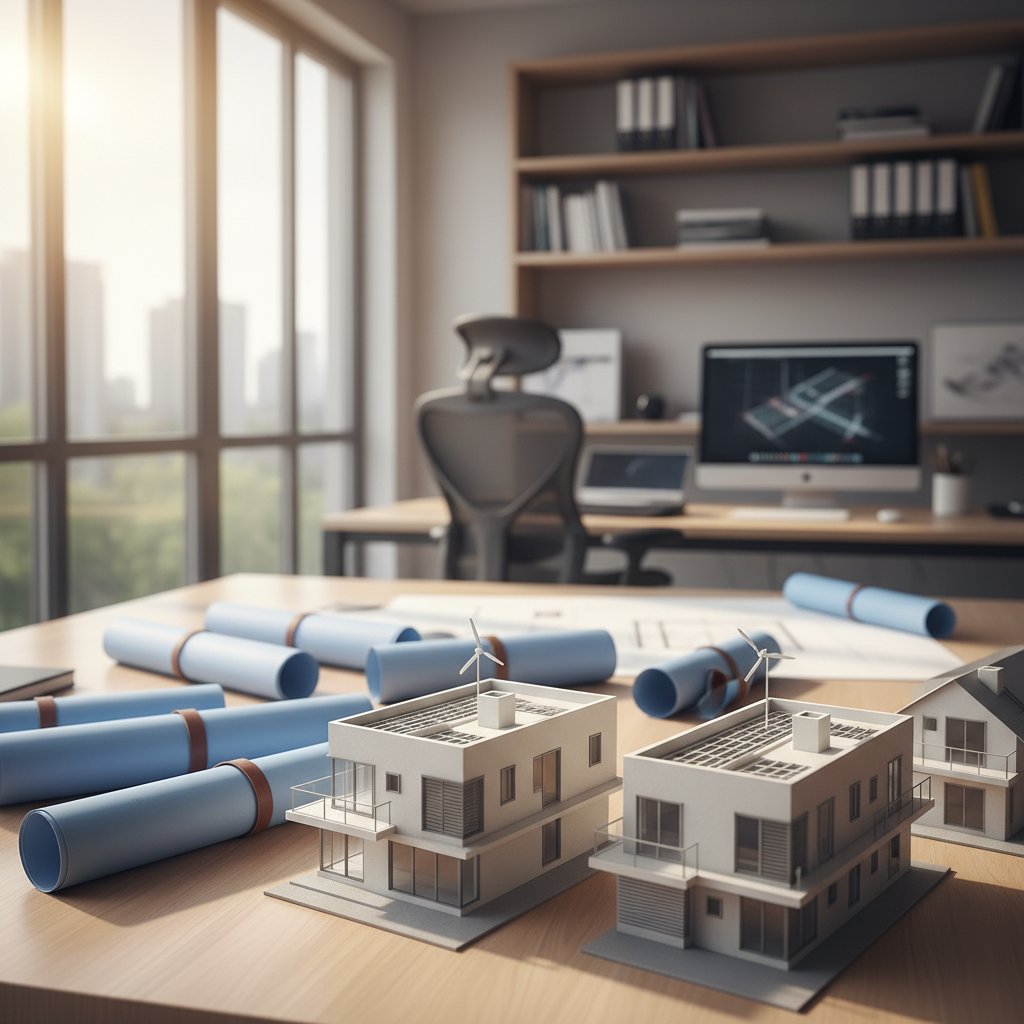
Natural ventilation system design consultation in Singapore office
Ventilation system installation in Singapore residential property

Our Expertise

We hold certifications from the Building and Construction Authority and maintain partnerships with the Singapore Green Building Council. Our team includes specialists in computational fluid dynamics, building physics, and sustainable architecture.

Every ventilation system we design undergoes computer simulation testing before installation. We model airflow patterns, pressure differentials, and temperature gradients to ensure effectiveness. This approach eliminates guesswork and provides clients with quantifiable performance predictions.

Beyond residential work, we consult for commercial developments, particularly in warehouse and industrial sectors where mechanical cooling costs can exceed S$15,000 monthly. Our solutions have helped businesses reduce energy expenditure while maintaining comfortable working conditions for staff.

What Guides Our Work

Evidence-Based Design

Every recommendation stems from measured data and computational analysis. We test assumptions, document results, and refine methods based on actual performance metrics from completed installations.

Climate-Specific Solutions

Singapore's consistent 27-32°C temperatures and 80-90% humidity require specialized approaches. We design systems that work with these conditions rather than fighting against them through energy-intensive methods.

Long-Term Performance

Our focus extends beyond installation day. We provide 5-year performance monitoring for all projects, tracking energy savings and thermal comfort levels to ensure systems continue delivering promised benefits.

Our Mission

We aim to make passive cooling accessible and practical for Singapore properties. Through careful analysis of building characteristics, local wind patterns, and occupant needs, we create ventilation systems that provide genuine alternatives to constant air conditioning. Our goal is reducing energy consumption while maintaining the comfort standards that residents and businesses require in this climate.

Natural Ventilation Services

We design and implement passive cooling systems that reduce energy consumption while maintaining comfortable indoor temperatures throughout the year.

Airflow Assessment

Complete evaluation of your property's existing ventilation patterns using thermal imaging and air velocity measurements. We identify pressure zones, stagnant areas, and optimal window placement to maximize cross-ventilation. Includes detailed report with wind rose analysis specific to your location and recommendations for immediate improvements without major renovations.

S$480 per assessment
Completed within 3 business days. Report valid for 12 months.

Stack Ventilation Design

Engineering of vertical ventilation shafts that leverage temperature differences between floors. We calculate optimal shaft dimensions, inlet and outlet sizes based on your building height and floor plan. Service includes structural integration planning, material specifications for heat-resistant ducting, and coordination with existing architecture to ensure seamless installation and maximum thermal buoyancy effect.

S$1,850 per system
Design phase 2 weeks. Installation coordination included.

Window Optimization

Strategic planning for operable window placement and sizing to capture prevailing winds. We analyze solar orientation, privacy requirements, and security needs while maximizing airflow potential. Includes specifications for louvered windows, casement configurations, and automated opening systems. We provide detailed drawings showing exact dimensions, hardware requirements, and installation sequences for contractors to follow during implementation.

S$720 per room
Minimum 3 rooms. Hardware sourcing assistance available.

Solar Chimney Installation

Design and construction of glazed vertical shafts that use solar heat to drive air movement. We specify glass types with appropriate solar heat gain coefficients, insulation for adjacent walls, and intake vent sizing. System includes temperature monitoring sensors and adjustable dampers for seasonal control. Our installations typically achieve 15-25 air changes per hour during peak sun exposure.

S$3,200 per chimney
Installation 5-7 days. 24-month performance warranty included.

Courtyard Ventilation

Integration of internal courtyards or atriums to create natural air circulation paths through your building. We design dimensions, landscaping elements, and water features that enhance evaporative cooling. Service covers structural modifications, drainage systems, and plant selection for optimal microclimate creation. Includes computational fluid dynamics modeling to predict airflow patterns and temperature reduction potential before construction begins.

S$4,500 per courtyard
Design and permitting 4-6 weeks. Landscape architect collaboration.

Thermal Mass Integration

Strategic placement of concrete, brick, or stone elements that absorb daytime heat and release it slowly during cooler evening hours when ventilation is most effective. We calculate required mass volumes, optimal material densities, and surface area exposure. Includes specifications for night purge ventilation schedules and automated control systems that open vents when outdoor temperatures drop below indoor levels.

S$2,100 per zone
Material testing included. Automation setup additional S$650.

Wind Tower Design

Traditional passive cooling structures adapted for modern buildings. We engineer towers that capture high-altitude winds and direct them downward into living spaces. Design includes directional scoops, internal baffles for air distribution, and evaporative cooling pads at air intake points. Our wind towers are sized according to building volume and occupancy levels, with typical installations reducing indoor temperatures by 4-7 degrees Celsius.

S$5,800 per tower
Structural engineering certification included. Installation 10-14 days.

All services include post-installation performance verification and a comprehensive maintenance guide. Prices are for standard residential properties up to 250 square meters. Larger commercial projects quoted separately. Site visits within Singapore city center included; additional travel charges apply for locations beyond 25km radius.

Latest Insights on Natural Ventilation

Discover practical strategies and design principles for creating comfortable, naturally cooled spaces in Singapore's tropical climate

Cross ventilation design principles
March 15, 2024 6 min read

Cross Ventilation Design Principles for Singapore Homes

Understanding wind patterns and strategically positioning openings can reduce indoor temperatures by 3-5°C. This article examines window placement, room layout, and architectural features that maximize airflow in HDB flats and landed properties. We analyze case studies from Tiong Bahru and East Coast areas where homeowners achieved thermal comfort without mechanical cooling during most months.

Read more
Stack effect ventilation in tropical buildings
March 8, 2024 5 min read

Using Stack Effect Ventilation in Multi-Story Tropical Buildings

Vertical temperature differences drive natural air movement through buildings. This technique works particularly well in Singapore's warm climate, where temperature stratification creates consistent upward airflow. Learn how ceiling heights, roof vents, and stairwell design can be optimized to enhance this effect. Includes measurements from three renovated shophouses in Joo Chiat showing 40% reduction in upper floor temperatures.

Read more
Building materials for passive cooling
February 28, 2024 7 min read

Building Materials That Support Passive Cooling Strategies

Material selection directly impacts how buildings respond to ventilation efforts. High thermal mass materials like concrete and clay absorb heat during the day and release it at night when ventilation is most effective. This article compares thermal properties of common construction materials available in Singapore, discusses reflective coatings, and explains how material combinations work with natural airflow to maintain stable indoor temperatures throughout the day.

Read more

Get Your Natural Ventilation Consultation

Reach out to discuss how passive cooling techniques can work for your property. Our team analyzes airflow patterns, building orientation, and climate conditions specific to Singapore to create effective ventilation strategies.

Send Us a Message

Contact Details

📍Our Location

Cleanplanpaths
35 Frankel Avenue
Singapore 458760

🕒Business Hours

Monday - Friday 9:00 - 18:00
Saturday 10:00 - 14:00
Sunday Closed

Completed Projects

We have designed and implemented passive cooling systems across Singapore, helping homeowners reduce energy costs while maintaining comfortable indoor temperatures through strategic airflow design.

Bukit Timah Terrace House

Bukit Timah Terrace House

Residential

Bukit Timah Terrace House

Residential

A three-story terrace house received a complete ventilation redesign featuring cross-ventilation corridors and strategically positioned windows. The system uses stack effect principles to draw cool air from the ground level while expelling warm air through roof vents, reducing indoor temperatures by 4-6°C during peak hours.

Tanjong Pagar Office Space

Tanjong Pagar Office Space

Commercial

Tanjong Pagar Office Space

Commercial

This 280 square meter office space now operates with 70% less air conditioning through a combination of operable clerestory windows, thermal mass cooling, and wind catchers. The design incorporates automated louvers that respond to temperature sensors, maintaining comfort for 45 employees while cutting electricity bills by S$1,800 monthly.

East Coast Semi-Detached Home

East Coast Semi-Detached Home

Residential

East Coast Semi-Detached Home

Residential

Located 800 meters from the coastline, this property takes advantage of sea breezes through carefully angled window placements and a central atrium. The ventilation system includes motorized skylights that open automatically based on indoor temperature readings, creating a continuous airflow path that keeps the home naturally cool throughout the day.

Tiong Bahru Shophouse Conversion

Tiong Bahru Shophouse Conversion

Renovation

Tiong Bahru Shophouse Conversion

Renovation

A heritage shophouse transformed into a modern workspace while preserving its architectural character. We installed vertical ventilation shafts, restored original air wells, and added adjustable louvered panels. The narrow building now benefits from enhanced cross-ventilation, with air movement measured at 0.8-1.2 meters per second during typical weather conditions.

Serangoon Garden Bungalow

Serangoon Garden Bungalow

Residential

Serangoon Garden Bungalow

Residential

This single-story bungalow features a comprehensive passive cooling approach with solar chimneys, shaded verandas, and high-performance insulation. The owners report comfortable living conditions without air conditioning for 8-9 months annually. Strategic landscaping with mature trees provides additional cooling through evapotranspiration and wind channeling.

Woodlands Industrial Workshop

Woodlands Industrial Workshop

Commercial

Woodlands Industrial Workshop

Commercial

A 450 square meter workshop now maintains acceptable working temperatures through roof-mounted wind turbines, high-level exhaust vents, and reflective roofing materials. The system handles heat from machinery and equipment while providing fresh air circulation for 12 workers. Temperature reduction of 5-7°C compared to pre-renovation conditions has improved productivity and reduced heat-related complaints.

Limited Time Promotion

Spring Ventilation Assessment

25%

Take advantage of our seasonal promotion for comprehensive natural ventilation assessments. Our specialists will evaluate your property's airflow patterns, identify optimal window placement, and design a custom cooling strategy that reduces indoor temperatures by 3-5°C without mechanical systems. This assessment includes thermal mapping, pressure differential analysis, and a detailed implementation roadmap tailored to Singapore's tropical climate.

Offer valid until:
7 April 2026
  • Complete site evaluation including airflow measurements, temperature mapping across all rooms, and humidity level assessment
  • Detailed ventilation design with cross-ventilation pathways, stack effect optimization, and window configuration recommendations
  • Energy savings calculation showing projected reduction in cooling costs and payback period for recommended modifications
  • Implementation support with contractor referrals, material specifications, and follow-up consultation after installation
  • Free seasonal adjustment guide explaining how to optimize ventilation during monsoon and dry periods
Get This Offer

Valid for residential properties in Singapore. Assessment typically completed within 3-5 business days.

Trust & Compliance

Licensed Business

Data Protection Compliant

SSL/TLS Secured

Quality Guaranteed

Industry Standards Compliant

Professional Team

Disclaimer

The information provided on this website is offered as is and represents our understanding to the best of our knowledge at the time of publication. Cleanplanpaths reserves the right to modify, update, or remove any content without prior notice. While we strive for accuracy, we make no warranties regarding the completeness or timeliness of the information presented. We recommend consulting with qualified professionals before implementing any ventilation system design. Cleanplanpaths shall not be held liable for any decisions made based solely on the information provided herein.